
Introduction
Selecting the right steel pipe is a critical decision for industrial projects, as pipe performance directly affects system safety, durability, and overall operational efficiency. Among various welded pipe solutions, ERW steel pipe has become a widely adopted option for industries requiring reliable strength, dimensional accuracy, and cost-effective manufacturing.
According to the American Petroleum Institute (API), steel pipes used in oil and gas applications must meet strict requirements for material performance, manufacturing processes, and quality control. This highlights the importance of selecting pipes that comply with recognized industry standards.
For industrial buyers, the selection process should consider key factors such as application requirements, pipe specifications, material standards, and supplier capabilities. Working with an experienced ERW steel pipe manufacturer can help ensure that the selected products meet project requirements and international quality expectations.
What Is ERW Steel Pipe?
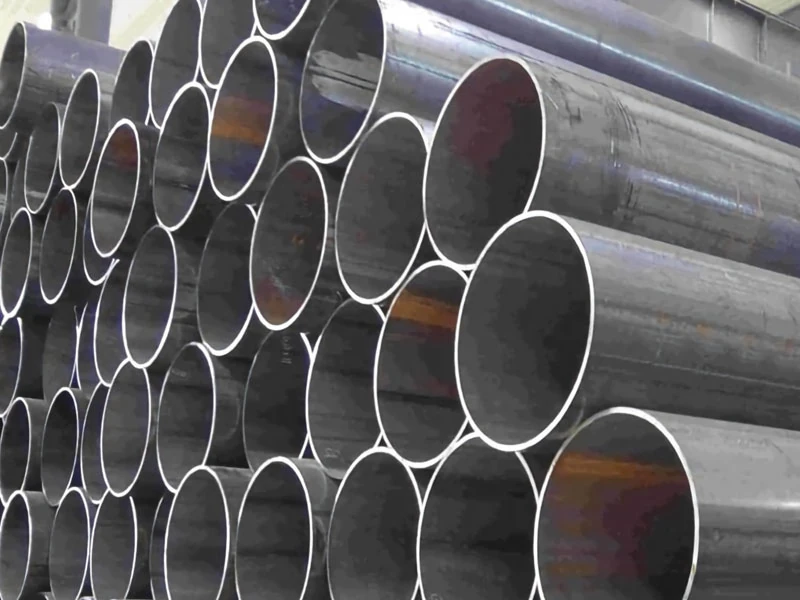
ERW steel pipe (Electric Resistance Welded steel pipe) is a type of welded steel pipe manufactured by forming steel strips into a cylindrical shape and joining the edges through high-frequency electric resistance welding.
During the ERW manufacturing process, electrical resistance generates heat at the welding point, allowing the steel edges to fuse together without the use of additional filler materials. After welding, the pipe undergoes processes such as sizing, inspection, and surface finishing to achieve the required dimensions and quality standards.
Compared with seamless steel pipes, ERW pipes offer advantages such as higher dimensional accuracy, efficient production, and competitive cost. They are widely used in industries including construction, oil and gas transportation, water systems, and general engineering applications.
What Are the Advantages of ERW Steel Pipe?
Industrial projects often require steel pipes that offer a balance of performance, availability, and cost efficiency. ERW steel pipe is widely selected for various applications due to its streamlined manufacturing process, consistent quality, and adaptability to different project requirements.
Efficient Manufacturing Process
One of the main advantages of ERW steel pipe is its highly efficient manufacturing process. Compared with some traditional pipe production methods, ERW manufacturing uses high-frequency electric resistance welding to join the edges of steel strips, enabling continuous production with high efficiency.
This production method allows manufacturers to achieve stable output and consistent product quality, making ERW pipes suitable for projects that require large quantities of steel pipes with reliable supply capabilities.
High Dimensional Accuracy
ERW pipes are produced through a controlled forming and welding process, which helps maintain accurate dimensions and uniform wall thickness. This precise manufacturing control reduces installation challenges and improves compatibility with different connection methods.
As a result, ERW steel pipe is a practical choice for structural, mechanical, and industrial applications where dimensional consistency is important.
Smooth Surface Quality
The ERW manufacturing process produces pipes with smooth internal and external surfaces. This surface quality provides advantages during further processing, including coating, painting, and galvanizing.
A smooth surface also helps improve the overall appearance of finished products and supports applications where surface conditions and processing performance are important considerations.
Cost-Effective Solution
Cost efficiency is another important factor driving the use of ERW pipes. The continuous production process, high manufacturing efficiency, and optimized material utilization help reduce overall production costs.
Compared with some alternative pipe types, ERW steel pipe provides a balanced combination of performance and economic value, making it suitable for projects that require large-volume pipe supply while maintaining quality standards.
What Are the Main Applications of ERW Steel Pipe?
Due to its efficient manufacturing process, consistent dimensional accuracy, and reliable mechanical properties, ERW steel pipe is widely used in industries that require standardized and cost-effective pipe solutions.
Its applications include energy infrastructure, construction projects, water transportation systems, machinery manufacturing, and general engineering applications.
Oil and Gas Industry
ERW pipes are used in oil and gas-related infrastructure where appropriate material grades, specifications, and industry standards are required. Pipes manufactured according to applicable API specifications can be used in pipeline-related applications for energy transportation systems.
With good dimensional control and consistent weld quality, ERW steel pipes can meet the needs of many projects involving oil, gas, and industrial fluid transportation.
Construction and Structural Projects
The construction industry is one of the major application areas for ERW steel pipe. It is commonly used in structural frameworks, building supports, steel structures, and various engineering projects due to its strength, uniform dimensions, and ease of fabrication.
Its accurate size control helps improve installation efficiency and ensures stable performance in different structural applications.
Water and Industrial Transportation Systems
ERW pipes are widely used in water supply systems, industrial facilities, and utility projects for fluid transportation. Their consistent quality, durability, and dimensional accuracy make them suitable for applications requiring dependable pipe performance.
Proper material selection and surface protection methods can further improve service life under different operating conditions.
Machinery and General Engineering
ERW steel pipes are also used in machinery manufacturing and general engineering applications. They can serve as components for equipment frames, mechanical structures, and fabricated assemblies where dimensional consistency and cost efficiency are important.
Their availability in various sizes and specifications makes them a flexible option for different engineering requirements.
How to Choose a Reliable ERW Steel Pipe Manufacturer?
Choosing the right ERW steel pipe manufacturer is essential for ensuring product quality, delivery reliability, and long-term project performance. A professional supplier should not only provide compliant products but also demonstrate strong manufacturing capabilities, effective quality management systems, and technical expertise.
Before placing an order, buyers should evaluate the following key factors:
Check Quality Control Systems and Product Inspection
Quality control is one of the most important factors when selecting an ERW steel pipe supplier. A reliable manufacturer should implement strict inspection procedures throughout the production process, from raw material verification to finished pipe testing.
Important quality control measures may include:
- Raw material inspection
- Weld quality testing
- Dimensional accuracy inspection
- Mechanical property testing
- Final product inspection before shipment
A comprehensive quality control system helps minimize product defects and ensures that pipes meet applicable industry standards and project requirements.
Confirm Compliance with International Standards
For industrial applications, ERW steel pipes often need to comply with specific standards and technical specifications. Buyers should confirm whether the manufacturer has experience producing pipes according to internationally recognized standards, such as API, ASTM, EN, and other applicable specifications.
Manufacturers with experience in international standards can better support projects involving different markets, technical requirements, and application conditions.
Assess Delivery Capability and After-Sales Support
In addition to product quality, delivery reliability is another important factor when choosing an ERW steel pipe manufacturer. Buyers should evaluate the supplier’s production capacity, order management capabilities, export experience, and technical support services.
Working with a dependable manufacturer helps ensure smoother project execution and reduces potential risks during procurement.
Why Choose Cangtie as Your ERW Steel Pipe Supplier?
Cangtie specializes in the manufacturing and supply of ERW steel pipe solutions for industrial customers, providing products designed to meet a wide range of engineering, construction, and infrastructure requirements.
With experience in welded steel pipe production, Cangtie focuses on product quality, specification accuracy, and technical support to help customers select suitable pipe solutions for different applications.
Successful ERW Steel Pipe Solutions for Real Projects
Cangtie has supported various infrastructure and engineering projects by providing reliable steel pipe solutions that meet specific application requirements.
For a bridge foundation project with China Railway 19th Bureau, Cangtie supplied Q235 pile acoustic testing pipes for construction use. The project faced challenges caused by pipe deformation and blockage during concrete pouring, which affected ultrasonic testing accuracy.
To solve these issues, Cangtie provided thick-wall acoustic pipes manufactured according to GB/T 3091-2015 requirements. The pipes achieved reliable bending performance and sealing performance through hydraulic testing, ensuring smooth ultrasonic probe movement during pile integrity testing.
As a result, all foundation piles completed integrity inspections successfully, helping the project maintain construction progress and establishing a long-term cooperation relationship.
Strict Quality Control and Specification Accuracy
Cangtie applies a comprehensive quality control system throughout the manufacturing process to ensure ERW steel pipes meet customer requirements and project specifications.
The quality control process includes:
- Raw material inspection to verify steel grade, chemical composition, and material consistency before production.
- Mechanical performance testing to evaluate strength, toughness, and deformation resistance through tensile testing, hardness testing, flattening tests, and bending tests.
- Weld quality inspection to ensure stable ERW welding performance and reliable pipe integrity during installation and operation.
- Hydrostatic pressure testing to verify pressure resistance and leakage prevention for applications requiring safe fluid transportation.
- Dimensional accuracy inspection to control outside diameter, wall thickness, length, and straightness, ensuring compatibility with project installation requirements.
- Surface and corrosion protection inspection to support different application environments through suitable coating and protection solutions.
Through strict inspection procedures and manufacturing control, Cangtie helps customers receive ERW steel pipe solutions with reliable quality, consistent specifications, and improved project reliability.
Reliable Partner for Long-Term Cooperation
Selecting an ERW steel pipe manufacturer is not only about purchasing products but also about establishing a stable and reliable supply relationship. Cangtie focuses on providing consistent product quality, professional communication, and technical support throughout the purchasing process.
For companies seeking dependable welded steel pipe solutions, Cangtie offers support based on manufacturing experience, product knowledge, and application-focused services.
FAQ
Q1. What Is ERW Steel Pipe Used For?
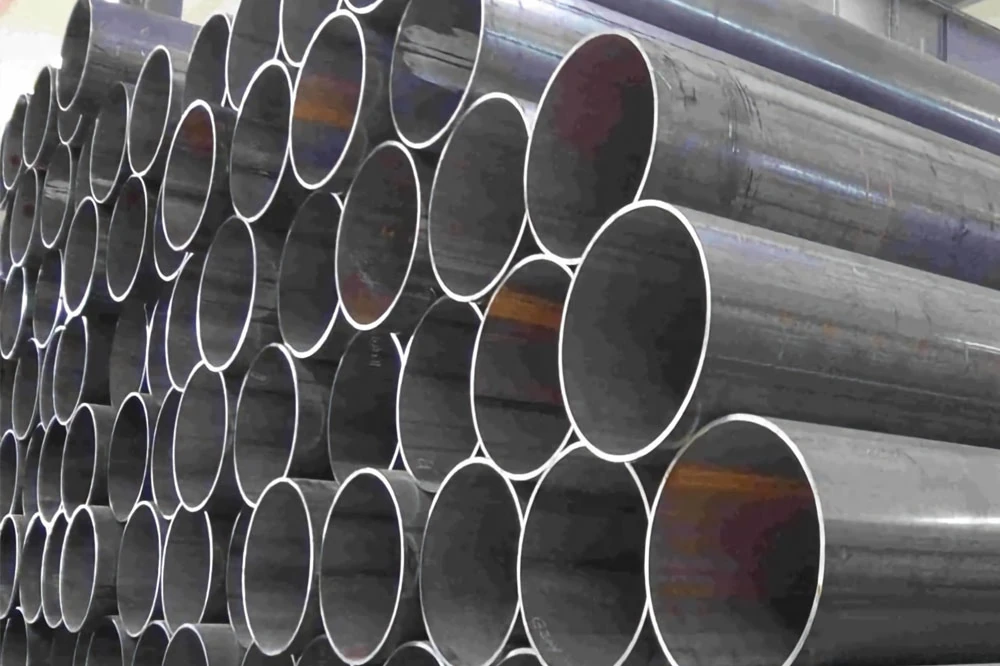
ERW steel pipe is commonly used in industrial pipelines, construction projects, structural applications, water transportation systems, and general engineering projects. Its suitability depends on factors such as pipe size, material grade, operating conditions, and applicable industry standards.
Q2. What Is the Difference Between ERW, LSAW, and SSAW Steel Pipes?
ERW, LSAW, and SSAW pipes are all types of welded steel pipes, but they differ in manufacturing methods, size ranges, and typical applications.
ERW pipes are manufactured by joining steel strips through electric resistance welding and are known for efficient production, high dimensional accuracy, and cost-effectiveness. LSAW and SSAW pipes are produced using submerged arc welding processes and are generally used for larger-diameter pipes, thicker walls.
Q3. What Standards Are Commonly Used for ERW Steel Pipes?
The selection criteria for ERW steel pipes depend on the region of use, industry sector (oil/structural/fluid/fire protection), and customer-specified requirements. In international trade and engineering design, API 5L, ASTM A53, EN 10219, and GB/T 3091 are among the most frequently cited core standards.
Conclusion
Choosing the right ERW steel pipe is essential for ensuring the safety, efficiency, and long-term performance of industrial projects. Buyers should evaluate key factors such as application requirements, pipe specifications, manufacturing standards, quality control systems, and supplier experience before making a decision.
With advantages including high dimensional accuracy, efficient production, and cost-effectiveness, ERW steel pipes are widely used in industries such as oil and gas, construction, water transportation, and general engineering.
Working with an experienced ERW steel pipe manufacturer like Cangtie can help customers obtain reliable products, technical support, and suitable solutions for different project requirements.
For more information about ERW steel pipe specifications, manufacturing capabilities, standards, and customized solutions, please contact Cangtie. Our professional team can provide product guidance and support for your industrial pipe requirements.