
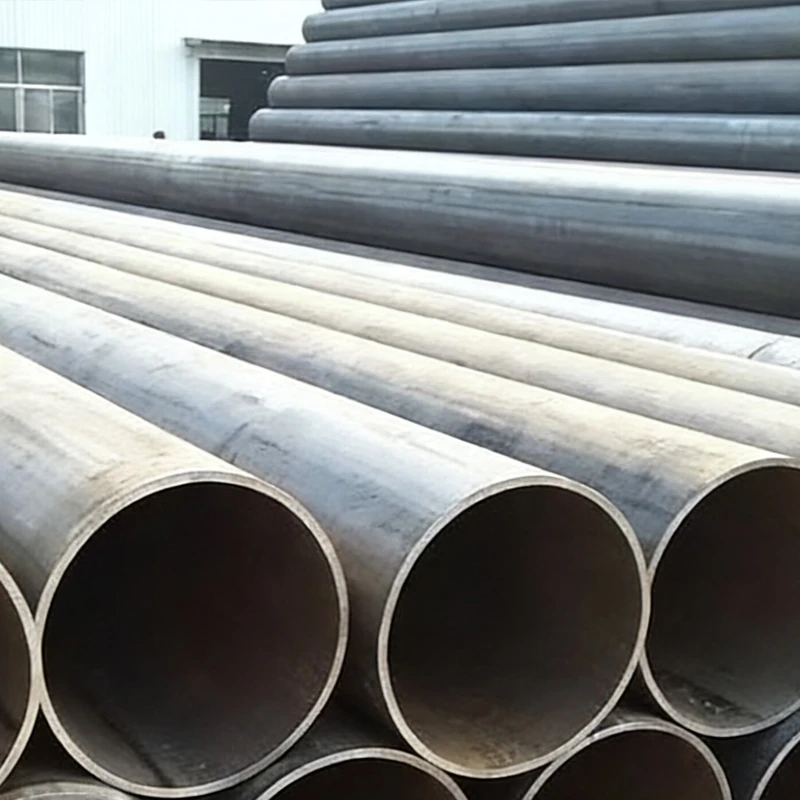
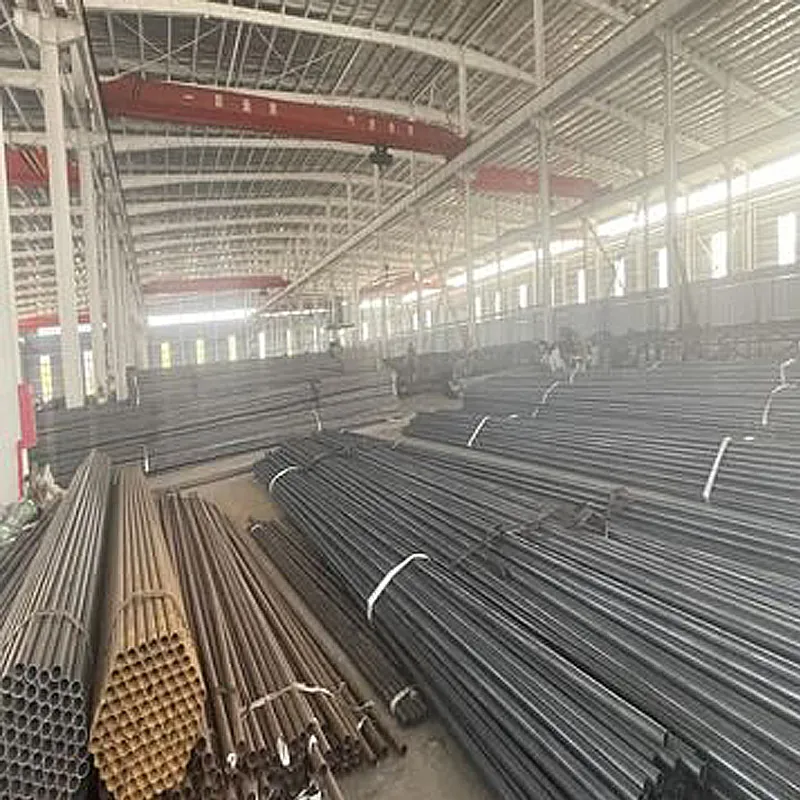
Product Features & Advantages
Technical Specifications
| Parameter | Specification |
| Standard | EN 10219-1 & EN 10219-2 (Cold formed welded structural hollow sections) |
| Steel Grade | S235JR (S: Structural Steel; 235: Min. Yield Strength 235 MPa; JR: Impact test at 20°C) |
| Nominal Size | 219.1 mm OD × 6.0 mm WT |
| Outer Diameter (OD) | 219.1 mm (Tolerance: ±1% with a minimum of ±0.5 mm) |
| Wall Thickness (WT) | 6.0 mm (Tolerance: ±10%) |
| Section Shape | Circular Hollow Section (CHS) / Round Pipe |
| Manufacturing Process | Longitudinally Welded / ERW (Electric Resistance Welded) |
| Surface Treatment | Bare/Oiled, Black Paint/Varnish, or Hot-Dipped Galvanized (HDG) |
| End Finishing | Plain Ends (PE) or Beveled Ends (BE) for easy structural welding |
Product Applications
Rigorous Quality Control & Manufacturing Process
Frequently Asked Questions (FAQ)
A: This designation defines the specific structural classification under the European standard:
S (Structural): Indicates that the pipe is strictly engineered for load-bearing and structural
applications.
235: Represents the minimum yield strength of 235 MPa for wall thicknesses ≤ 16mm.
JR: Indicates that the steel has undergone longitudinal Charpy V-notch impact testing at a temperature of +20°C with a minimum absorbed energy of 27 J.
A: Circular steel pipes offer magnificent cross-sectional properties. The symmetric geometry of a round pipe provides uniform resistance to bending and twisting forces from all directions. With a 6.0mm robust wall thickness, this specific size offers exceptional buckling resistance and loading capacity while remaining lighter than solid steel profiles, drastically reducing the total steel weight of your building.
A: The primary difference lies in the manufacturing temperature and internal stress profiles:
EN 10219 specifies Cold Formed welded structural hollow sections. The steel is shaped atroom temperature, which gives it a high surface finish and tight dimensional tolerances.
EN 10210 specifies Hot Finished structural hollow sections. The steel is formed at elevatedtemperatures, resulting in uniform metallurgical grain structures and zero residual cold-forming stresses.
For the majority of standard building frameworks, EN 10219 S235JR is highly preferred due toits superior cost-effectiveness.
Related Steel Solutions
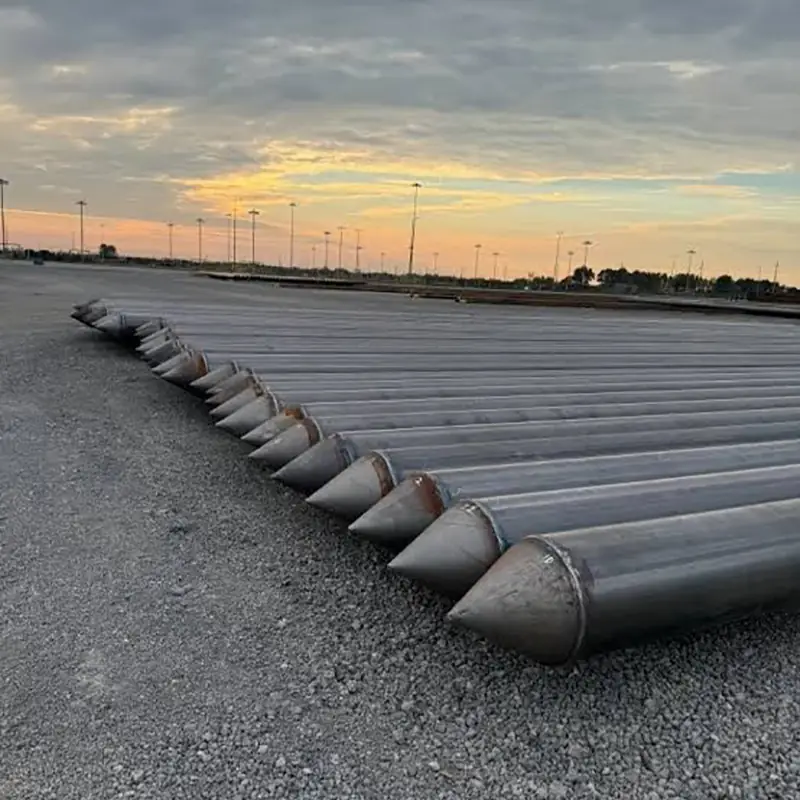
Bitumen Coated Piling Steel Pipe 813mm OD 12.7mm WT for Corrosive Soil Protection
Engineered to provide an exceptionally robust and cost-effective foundation barrier in the most aggressive subterranean…
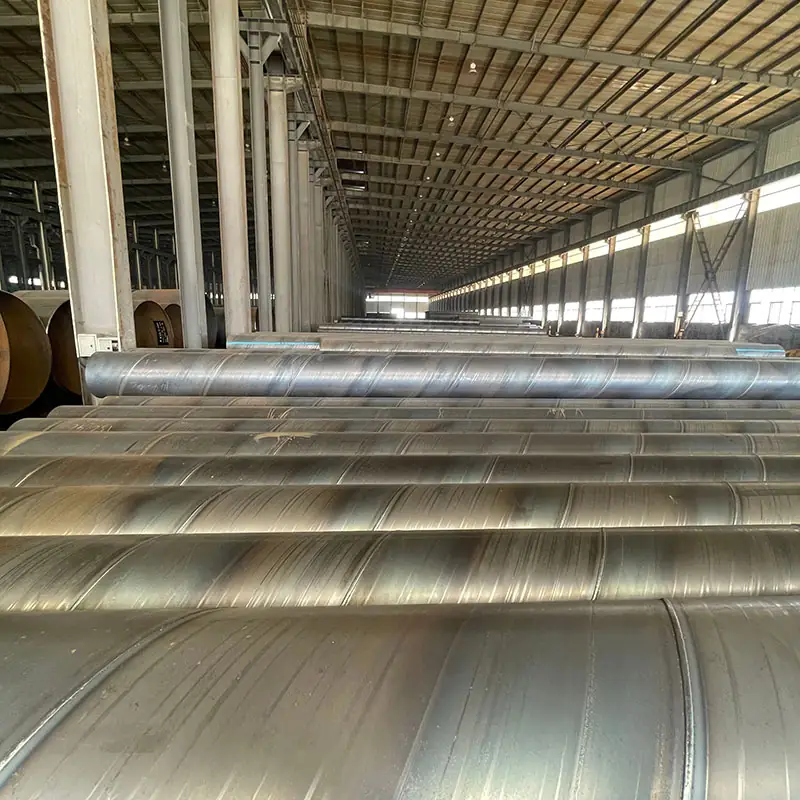
EN 10219 S355J2H LSAW Steel Pipe Pile 36 Inch 25.4mm WT for Offshore Wind Farm
Engineered to withstand the relentless cyclic wave actions and immense structural loads of offshore renewable…
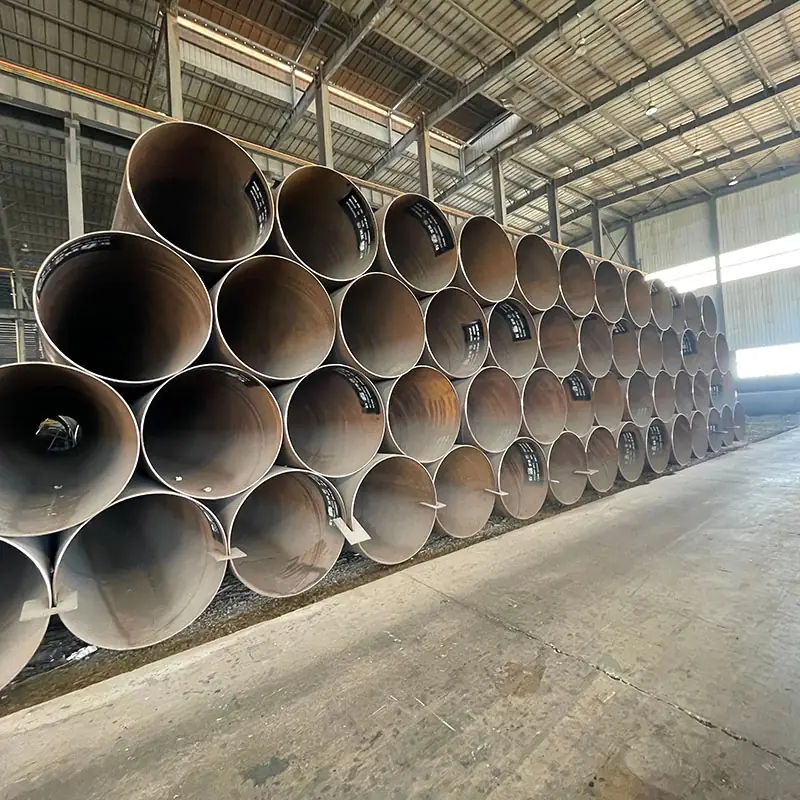
ASTM A500 Grade B Welded Piling Pipe 406mm OD with Conical Point for Soil Piling
Engineered to provide excellent ground consolidation and dependable end-bearing capacity, this ASTM A500 Grade B…
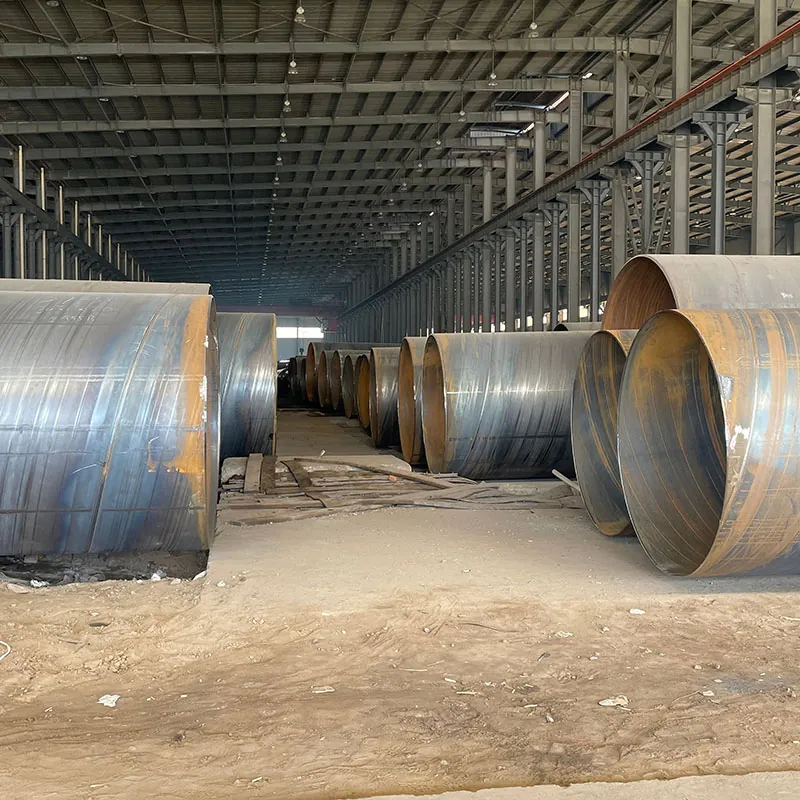
Heavy Wall Thickness SSAW Piling Pipe 1220mm OD for Marine Port Construction
Engineered to withstand the extreme dynamic loads and aggressive corrosive environments of maritime infrastructure, this…