
Technical Support & Custom Design
We don't just supply steel pipes. We deliver professional engineering material selection and customized drawing design solutions.
Engineering & Material Consultation
We do not merely sell steel pipes; we provide comprehensive engineering material selection solutions. Our team of senior engineers, boasting over 15 years of industry experience, is ready to assist you in precisely selecting materials tailored to your specific project environment—including conditions involving high pressure, extreme cold, or severe corrosion.
- Complimentary technical drawing reviews
- Material standard comparisons (benchmarking against ASTM, DIN, and JIS)
- Recommendations for optimizing construction plans (safe & cost-effective)
Custom Drawing & Fabrication
We provide custom drawing design and confirmation services for irregularly shaped pipes, fittings, valves, and specialized components. From design concept and engineering drawing confirmation to the final premium manufactured product, we ensure every detail is met.
- Bespoke geometries for non-standard pipe configurations
- Precision fitting, flange, and valve custom manufacturing
- Drawing-to-production workflow with full client sign-off
Value-Added Processing Services
Leveraging advanced production equipment, we offer a comprehensive range of processing services to deliver "ready-to-install" finished products.
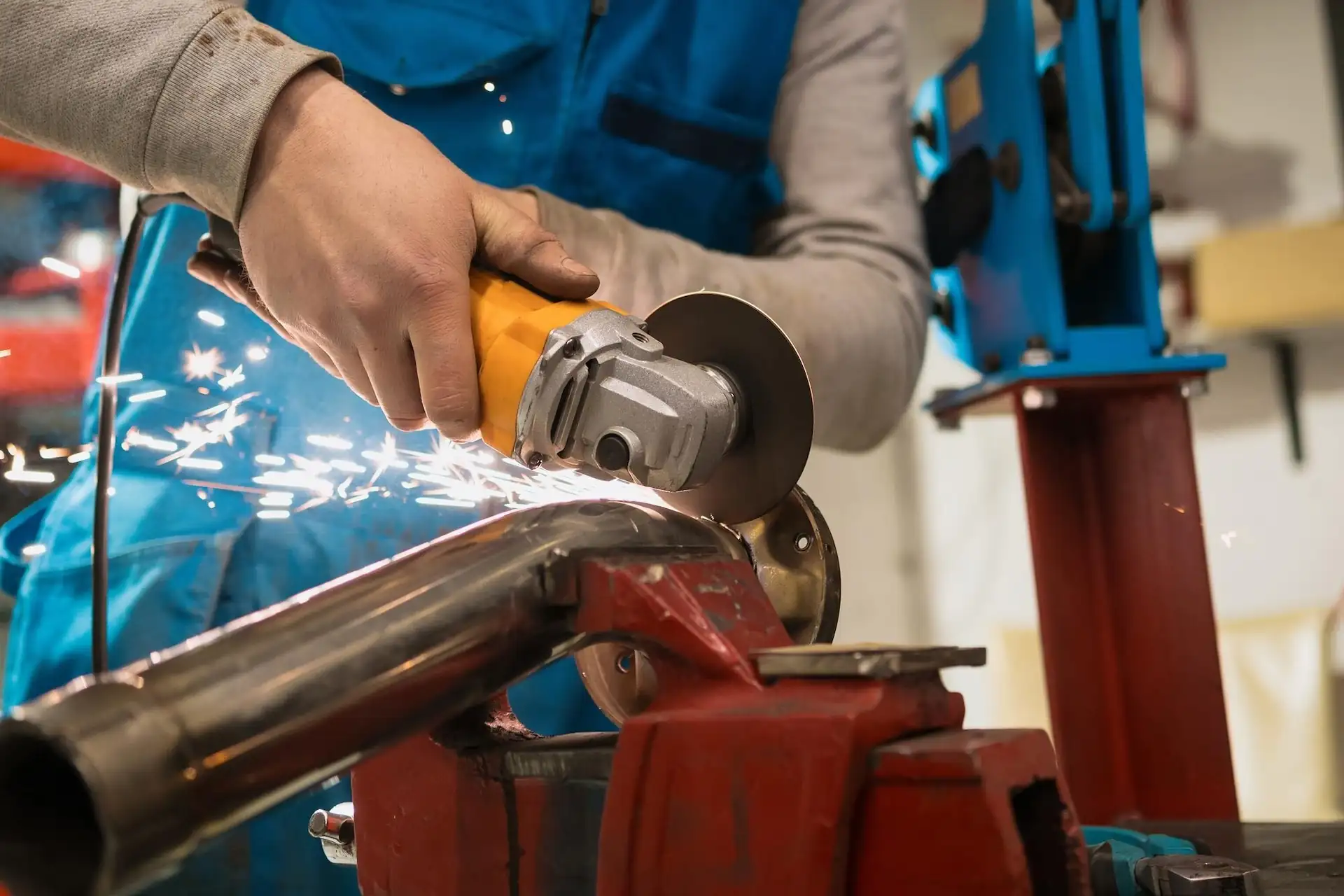
High-Precision Pipe Cutting
We offer cut-to-length services across any steel alloy. Before cutting, we follow strict quality protocols:
Precisely measure the steel pipe diameter to ensure tool alignment.
Mark around the circumference of the pipe surface to guide the cut, especially for manual methods.
Secure the pipe to keep the length from shifting out of place, ensuring the straightest cut possible.
Cutting success depends on tube material, wall thickness, end squareness, and production volumes. We provide 6 cutting methods:
Abrasive Cutting
A basic, manual method of cutting-to-length product to the customer’s specification in any alloy.
Band Saw Cutting
Fully automatic process and the most common method for cutting rods, bars, pipes, and tubing. Excellent for large volumes and handling large product bundles.
Cold Sawing
High-precision circular cold saw using a wheel blade and cutting fluid mist. Suitable for smaller-diameter or thin-walled material requiring tight tolerances.
Laser Cutting
Despite the high capital cost, a laser cutting system provides a range of capabilities and associated advantages. Easily controlled with automation equipment (CNC), a laser allows an operator to cut, deburr, inspect, and even pack material while the laser runs continuously.
Lathe Cutting
Ideal for thin-walled material, producing square cut ends with minimum burr. Multiple cross slides permit deburring or chamfering the OD of both ends during the lathe cutting process.
Shearing
A tube shear is a completely automatic, high-speed machine that uses two shearing plates and two ID punches under extreme pressure to cut tubing. The shearing action is the same for all sizes and wall thicknesses with maximum limits.
Pipe Welding & Joining
Pipe welding or pipe joining is a method of connecting two pipes together. This process can be achieved through various welding methods, such as arc welding, MIG welding, TIG welding, and several other welding techniques. We weld pipe structures of various sizes and shapes.
SMAW: Shielded Metal Arc Welding
Manual arc welding, also commonly known as shielded metal arc welding, is a very common and popular welding method. It is commonly used in construction, steel structure fabrication, piping engineering, and heavy equipment maintenance.
GMAW: Gas Shielded Metal Arc Welding (MIG)
This welding method—also known as MIG (Metal Inert Gas) welding—also uses consumable electrodes. However, in MIG welding, the electrode is a solid welding wire that is continuously fed through the welding torch. MIG welding machines are designed to accommodate different sizes and specifications of welding wire.
GTAW: Gas Tungsten Inert Gas Welding (TIG)
This welding method has several common names—argon arc welding, argon arc welding, and gas shielded tungsten inert gas welding. Unlike the other welding methods mentioned above, this welding method does not use consumable electrodes. Welders use external welding rods to produce molten metal, thus forming a weld.
Pipe Threading Capabilities
Threaded pipes provide effective seals for pipelines conveying liquids, gases, steam, and hydraulic oils.
We can machine threads for pipes of any length, with diameters ranging from 1/8 inch to 20 inches.
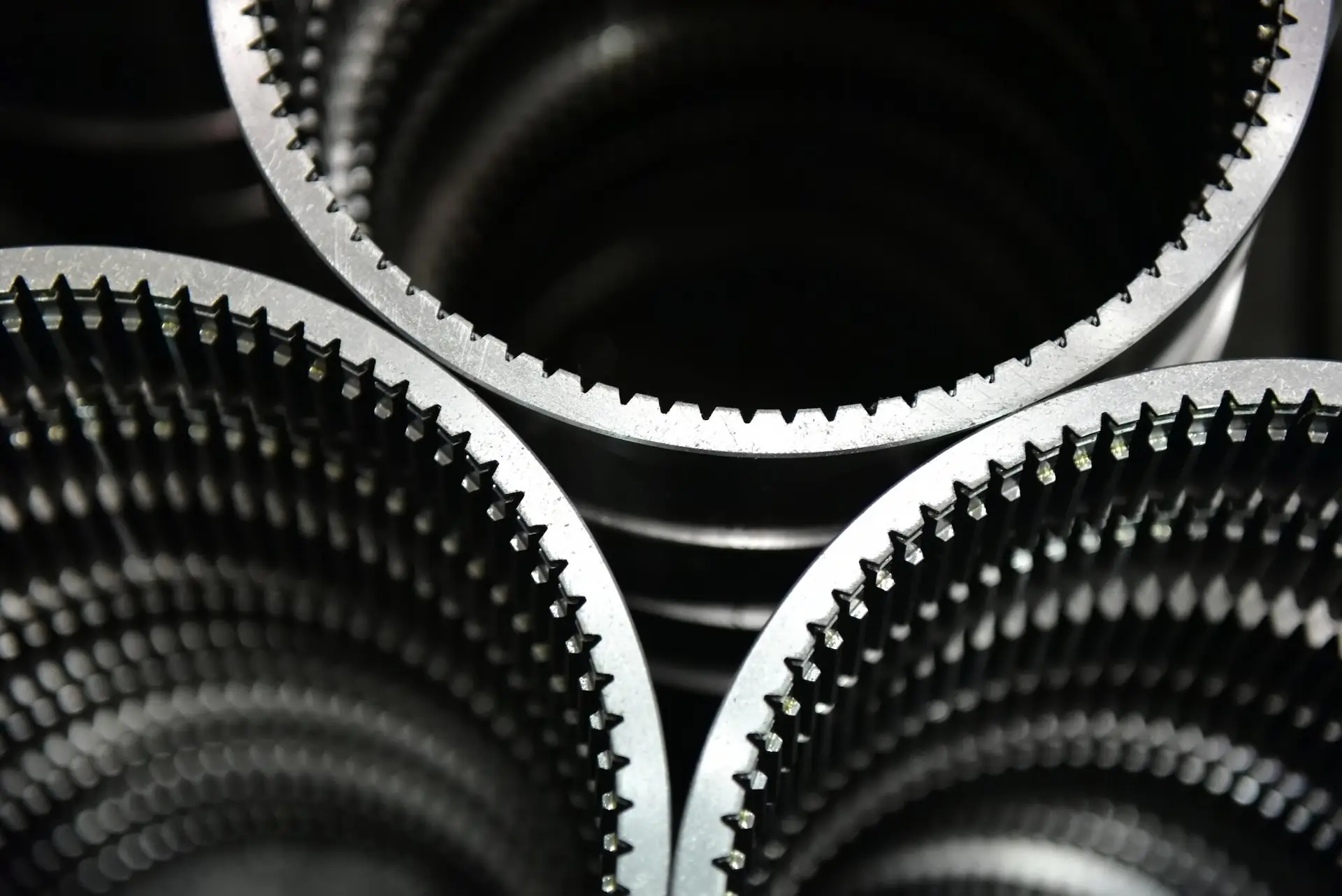
Pipe End Chamfering & Beveling
Pipe chamfering is a processing procedure performed before welding two sections of pipe. It involves using a chamfering machine to create an angle at the end edge of the pipe.
The most common use of pipe chamfering is in preparation for welding. It can also be used to remove burrs from cut ends to ensure safety and aesthetics. Chamfers can be made at various angles to achieve better welds.
Common Beveled Ends for Butt Joints:
We can perform any type of chamfering on pipes, and the chamfer angle can be adjusted as needed. Chamfering can be applied to pipe ends of any size or diameter.
Anti-Corrosion Coating Solutions
Professional 3LPE, FBE, hot-dip galvanizing, and internal epoxy coatings extending the pipeline service life by over 30 years.
The Science of Corrosion Protection
Corrosion protection of steel pipes has always been a crucial issue in large-scale engineering construction. The corrosion resistance of steel pipes in pipelines is primarily influenced by the environment and the transported medium, which can trigger chemical or electrochemical reactions leading to corrosion. Furthermore, the metabolic activities of microorganisms can also slow down or prevent pipeline corrosion and deterioration.
Therefore, selecting suitable anti-corrosion materials for steel pipes is essential. High-quality anti-corrosion materials can effectively protect steel pipes and extend their service life. Pipeline anti-corrosion materials mainly include 2/3PE anti-corrosion agents (polyethylene), 2/3PP anti-corrosion agents (polypropylene), single-layer epoxy powder anti-corrosion agents, and epoxy coal tar anti-corrosion agents.
Application & Quality Control Conditions
-
01Rigorous Surface Treatment The substrate must undergo rigorous surface treatment before application.
-
02Thickness Standards Compliance Ensure the coating thickness meets requirements through continuous dry film monitoring.
-
03Environmental Factors Control Control environmental factors such as temperature and humidity at the coating site.
-
04Coating Interval Management Control the coating interval carefully to prevent inter-layer issues.
3PE Outer Wall Coating Structure
A standard 3PE anti-corrosion layer typically consists of three high-performance layers:
Thickness > 100μm. Provides excellent adhesion and chemical resistance.
Thickness 170–250μm. Bonds the epoxy powder to the outer polyethylene layer.
Thickness 1.8–3.7mm. Delivers robust mechanical protection and waterproofing.
Available Coating Materials & Methods
1. Oil-Based Paint
Suitable for environments with low requirements for atmospheric corrosion resistance. Oil-based paint is a film-forming coating mainly composed of drying oils. Its characteristics include ease of production, good brushing performance, strong weather resistance, low price, and good film flexibility. In atmospheric environments where corrosion is not a major concern, drying oils are often mixed with rust-preventive pigments to create rust-preventive paints.
2. Paint / Varnish
Paint (also known as varnish or coating) is one of our company's signature products. The main component of paint is urushiol, with a content ranging from 30% to 70%. The higher the urushiol content, the better the quality of the paint. Paint has strong adhesion, a tough film, and good gloss; its stain resistance is superior to its water and oil resistance. The disadvantages are its high toxicity and tendency to cause skin allergies. Furthermore, it has poor resistance to strong oxidants and alkalis. Currently, paints that have undergone varying degrees of improvement have overcome these shortcomings.
3. Phenolic Resin Coatings
These include alcohol-soluble phenolic resins, modified phenolic resins, and other types of phenolic resins. Alcohol-soluble phenolic resin coatings have good corrosion resistance, but are inconvenient to apply, have poor flexibility and adhesion, and limited application range. Therefore, modified phenolic resins are usually required. For example, rosin-modified phenolic resins and tung oil, refined with various pigments, and ground, can produce various enamels. These enamels have a tough film, are inexpensive, and are widely used for coating furniture, doors, and windows. Pure phenolic resin coatings have good adhesion, water resistance, heat resistance, corrosion resistance, and weather resistance.
4. Epoxy Coatings
Epoxy coatings have good adhesion, exhibiting excellent adhesion to materials such as metals, concrete, wood, and glass; they are alkali-resistant, oil-resistant, and water-resistant, and possess excellent electrical insulation properties. However, their aging resistance is relatively poor. Epoxy anti-corrosion coatings typically consist of two parts: epoxy resin and a curing agent. The properties of the curing agent also affect the performance of the coating film. Commonly used curing agents include: ① Aliphatic amines and their modified compounds. These are characterized by curing at room temperature, but unmodified aliphatic amines are highly toxic. ② Aromatic amines and their modified products. These are characterized by slow reaction rates, usually requiring heat curing. ③ Polyamide resins. These are characterized by good weather resistance, low toxicity, and good elasticity, but slightly poor corrosion resistance. ④ Synthetic resins such as phenolic resins and urea-formaldehyde resins. These resins, after cross-linking with epoxy resin and being baked at high temperatures, form a coating film with excellent corrosion resistance, good mechanical properties, and decorative properties. Epoxy ester resin paint is a single-component coating system using epoxy ester resin as the film-forming substance. Epoxy ester resins are made by esterifying epoxy resins with fatty acids from vegetable oils. Compared to ordinary epoxy coatings, epoxy ester resin paints are less expensive, but have poorer alkali resistance. They are commonly used as primers for various metals and as anti-corrosion coatings for chemical equipment and outdoor equipment.
5. Polyurethane Coatings
Polyurethane resins used in anti-corrosion coatings typically contain two components: isocyanate groups (NCO) and hydroxyl groups. The two components react and cure to form polyurethane (PU).
Features:
① Polyurethane coatings possess excellent physical and mechanical properties. The coating film is hard, flexible, glossy, full, abrasion-resistant, and has strong adhesion.
② Excellent corrosion resistance, resisting oils, acids, chemicals, and industrial emissions. Alkali resistance is slightly lower than epoxy coatings.
③ Better aging resistance than epoxy coatings. Commonly used as a topcoat, it can also be used as a primer.
④ Polyurethane resin is miscible with many resins, and the formulation can be adjusted within a wide range of applications to meet various needs.
⑤ Can be cured at room temperature or with heat, and can also be cured at low temperatures (0°C).
⑥ The polyisocyanate component has poor storage stability and must be protected from moisture to avoid gelation. Polyurethane coatings are relatively expensive, but have a long service life.
6. Polyethylene & Polypropylene
Polyethylene and polypropylene resin coatings: Polyethylene resin anti-corrosion coatings are film-forming coatings made from monomeric resins. Polyethylene coatings can be mass-produced. Polyethylene pipes have strong sealing properties, good corrosion resistance, high mechanical strength, good waterproof performance, stable quality, convenient construction, wide applicability, and do not pollute the environment.
7. Furan Resin Coating
Furan resin coatings resistant to a variety of non-oxidizing mineral acid, an electrolyte solution, and various organic solvents, and alkali resistance is also very prominent, but bad Antioxidant. The furan resin series of anti-corrosion coatings, including furfuryl alcohol resin paints, furfural acetone formaldehyde resin coatings, and modified furan resin paint.
8. Asphalt Coating
Asphalt is one of the important anti-corrosion coatings. Especially in the coal tar pitch, coal tar pitch coatings cheap has the following advantages: ① water, immersed in water for 10 years and its water absorption of only 0.1% to 0.2%; ② resistant to some chemical erosion of media; ③ on the steel surface is still not fully rust the good wettability; ④ solid content to be thick-film; ⑤ inexpensive. The disadvantage is that the winter crisp, summer heat, feeble, and after exposure to some ingredients volatile escape causes the paint film cracking. These drawbacks can be improved by adding some other resin. Such as adding chlorinated rubber asphalt paint dry, to improve the shortcomings of the winter crisp summer soft; adding epoxy asphalt coating of epoxy resin obtained advantages both asphalt coating and epoxy coatings, anti-corrosion very satisfied with the results. The asphalt coating occasions in the container bottom, the bottom of the boat, dock gate, the cofferdam use good anti-corrosion effect.
9. Heavy Anti-Corrosion Coatings
Heavy anti-corrosion coating is relatively general anti-corrosion coatings. It is under severe corrosion conditions than the general corrosion coatings, anti-corrosion effect several times more than the anti-corrosion coatings. Which is characterized by resistance strong corrosive media outstanding performance, durability, and service life of more than a few years. Mainly used for marine structures and chemical equipment, storage tanks, and pipelines.
Testing & Inspection Capabilities
Ensuring every pipe conforms strictly to international material standards through comprehensive chemical, mechanical, and metallurgical validation.
Advanced Quality Testing Laboratory
Our laboratory is equipped with spectrometers, ultrasonic testers, and eddy current flaw detectors. In addition to the mandatory factory inspections—including hydrostatic testing and physicochemical analysis—we offer 100% Positive Material Identification (PMI) and Non-Destructive Testing (NDT) services.
Furthermore, we fully cooperate with third-party inspection agencies—such as SGS, BV, and Intertek—to facilitate on-site manufacturing supervision, and we provide comprehensive Material Test Certificates (MTC EN10204 3.1/3.2) in both English and Chinese.
Special Tests for Aggressive Environments
There are some Special pipe inspection tests also carried out on the material when it is going to be used in aggressive environments. These tests will ensure that pipe material is able to withstand in such aggressive environments also. Some of the tests are:
One-Stop Logistics, Packaging & Warehousing
Close proximity to major ports, custom protective packaging, robust product marking, and flexible warehousing options.
One-Stop Logistics & Customs Clearance
Leveraging our strategic proximity to the ports of Tianjin and Shanghai, we offer a wide range of trade terms, including FOB, CIF, and DDP. For large-scale projects, we provide specialized protective packaging—such as waterproof woven bags, wooden crates, and pipe end caps—to prevent corrosion during sea transit.
Furthermore, our logistics team possesses extensive experience in handling customs clearance documentation for various countries (including Certificates of Origin and Embassy Legalization), ensuring that your cargo arrives at the job site safely, on time, and in full compliance with regulations.
Inventory Management & JIT Delivery
We offer complimentary warehousing services to our long-term clients and support phased shipments aligned with construction progress, thereby facilitating more flexible cash flow for your projects.
Packaging Solutions
Packaging is the technology of enclosing or protecting products for distribution, storage, sale, and use. There are probably hundreds of different methods for packing a pipe. Our packaging for pipe, tube, fittings and flange are critical to minimising product damage.
- Waterproof woven bags wrapping for bundles
- Heavy-duty wooden crates for fittings & flanges
- Protective pipe end caps to block dust and impact
Product Marking & Traceability
Finished Products Like Pipes/Tubes/Fittings/Bars are marked with Electric Etching/Electronic Inkjet Marking machine.
Each Product is marked with:
* Or marked as per Customer Requirements.