
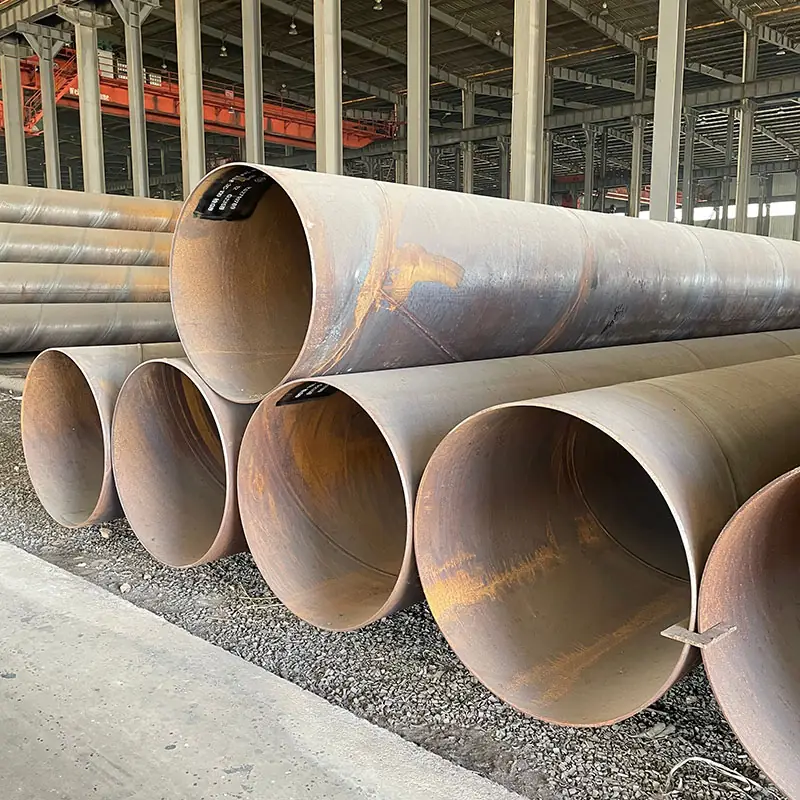
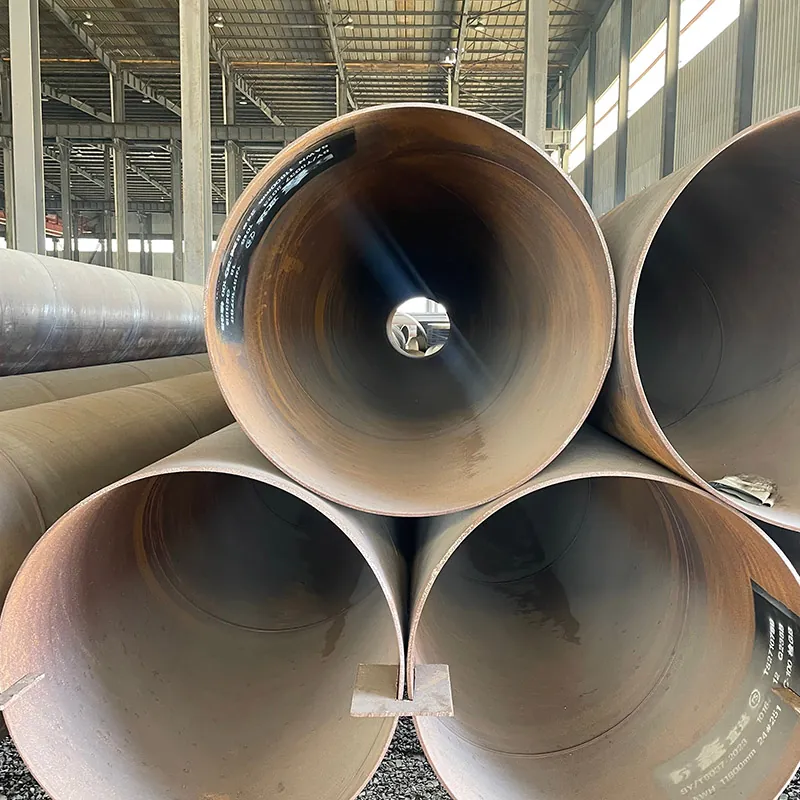
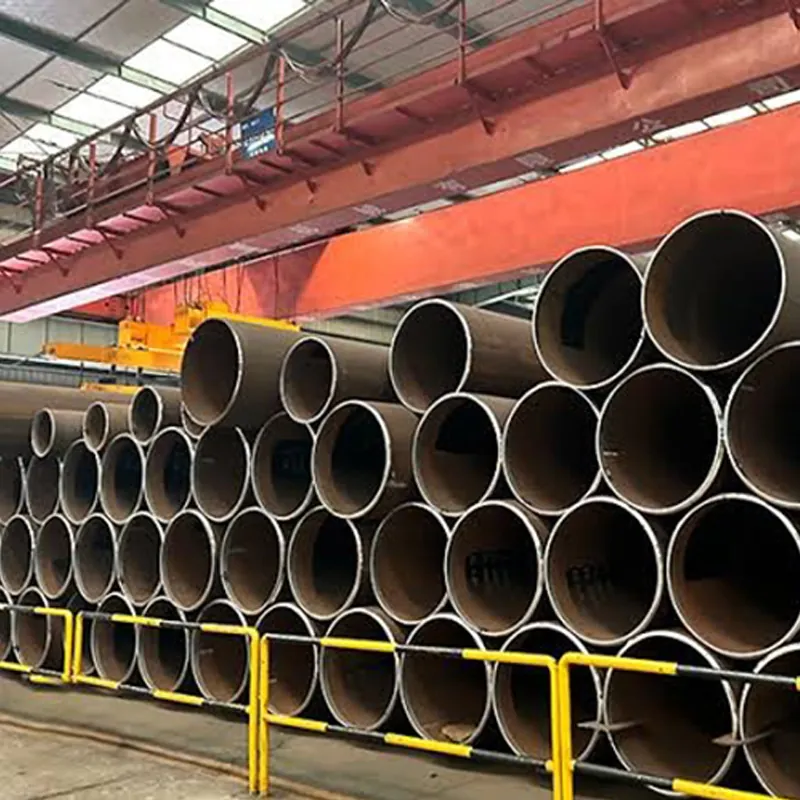
Features & Advantages
Technical Specifications
| Specification Item | Detailed Description |
| Product Name | API 5L PSL1 Grade B ERW Line Pipe |
| Standard Specification | API 5L (Specification for Line Pipe) / GB/T 9711 equivalent |
| Steel Grade | Grade B (Yield Strength ≥ 245 MPa / 35,500 psi; Tensile Strength ≥ 415 MPa) |
| Quality Specification Level | PSL1 (Standard Quality Level for general pipeline applications) |
| Manufacturing Process | ERW (Electric Resistance Welded - High Frequency) |
| Nominal Pipe Size (NPS) | 10 Inch (DN250) |
| Outer Diameter (OD) | 10.750 inches (273.1 mm) |
| Wall Thickness (WT) | Schedule 40 (0.365 inches / 9.27 mm) |
| Pipe Ends | Beveled Ends (30°~35°) with factory bare steel cutbacks, or Plain Ends |
| Surface Finish Options | Bare, Black Vanish Paint, or external anti-corrosion coatings (3PE/FBE) |
| Standard Length | Single Random Length (SRL - approx. 6m) or Double Random Length (DRL - approx. 12m) |
Product Applications
Rigorous Quality Control & Manufacturing Process
Frequently Asked Questions (FAQ)
A: PSL1 (Product Specification Level 1) is the standard quality specification for general pipelines, whereas PSL2 imposes much stricter requirements. PSL2 mandates mandatory Charpy V-notch impact testing to ensure fracture toughness, tighter chemical composition limits, and 100% non-destructive testing (NDT) of the weld seam, making it the standard for high-pressure, extreme-environment pipelines.
A: ERW (Electric Resistance Welded) steel pipe offers an exceptional balance of precise wall thickness, excellent roundness, and high cost-performance. For low-to-medium pressure oil gathering and feeder networks, ERW provides the necessary structural and pressure-handling capabilities at a significantly lower cost than seamless pipes.
A: In compliance with API 5L, Grade B line steel possesses a minimum yield strength of 245 MPa (35,500 psi) and a minimum tensile strength of 415 MPa (60,200 psi). This provides highly reliable, uniform load-bearing capacity and pressure ratings suitable for standard industrial fluid transmission.
A: Yes, absolutely. For buried oil pipelines, external corrosion protection is highly recommended. We can supply these pipes with a standard black protective varnish, or with high-performance multi-layer coatings such as external 3PE (Three-Layer Polyethylene) or FBE (Fusion Bonded Epoxy) to ensure a long, maintenance-free underground service life.
Related Steel Solutions
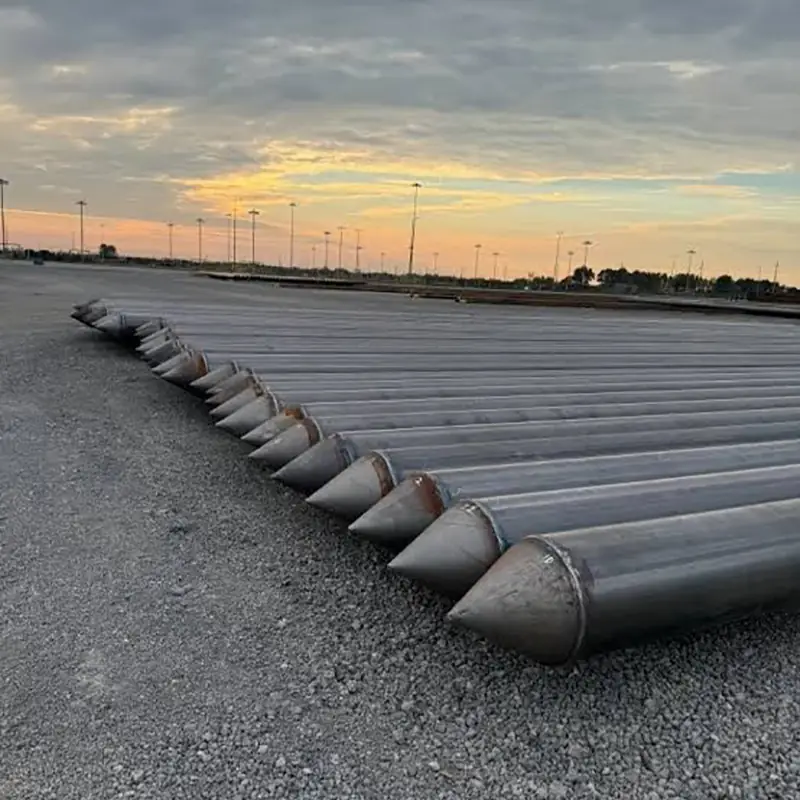
Bitumen Coated Piling Steel Pipe 813mm OD 12.7mm WT for Corrosive Soil Protection
Engineered to provide an exceptionally robust and cost-effective foundation barrier in the most aggressive subterranean…
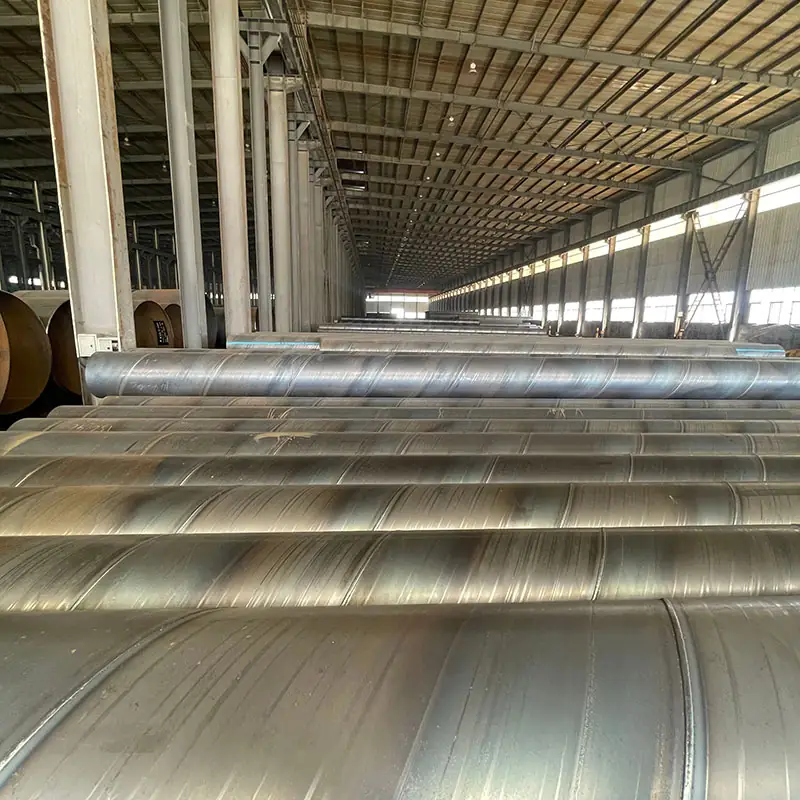
EN 10219 S355J2H LSAW Steel Pipe Pile 36 Inch 25.4mm WT for Offshore Wind Farm
Engineered to withstand the relentless cyclic wave actions and immense structural loads of offshore renewable…
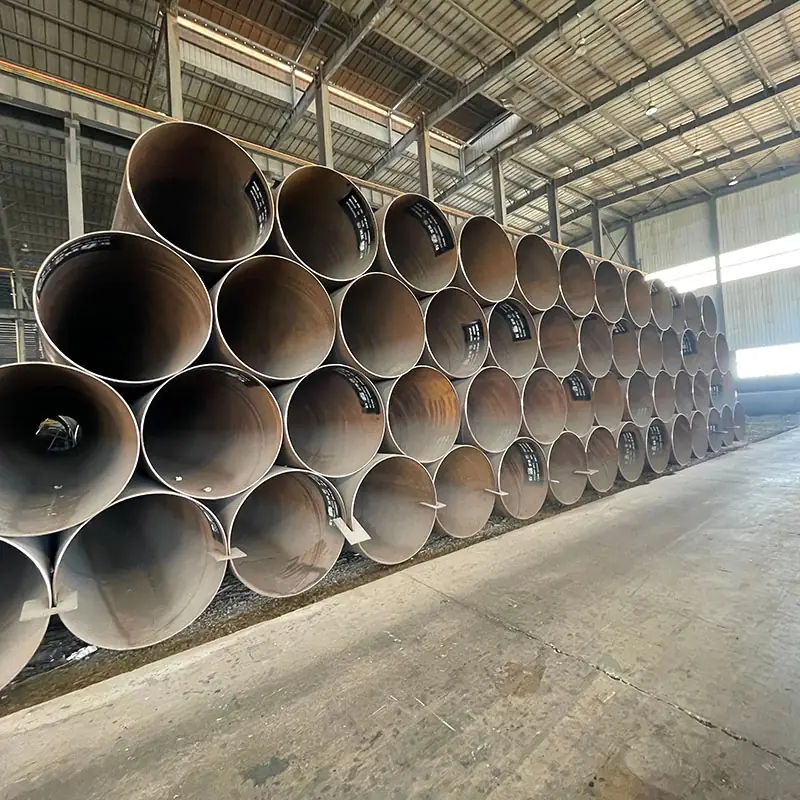
ASTM A500 Grade B Welded Piling Pipe 406mm OD with Conical Point for Soil Piling
Engineered to provide excellent ground consolidation and dependable end-bearing capacity, this ASTM A500 Grade B…
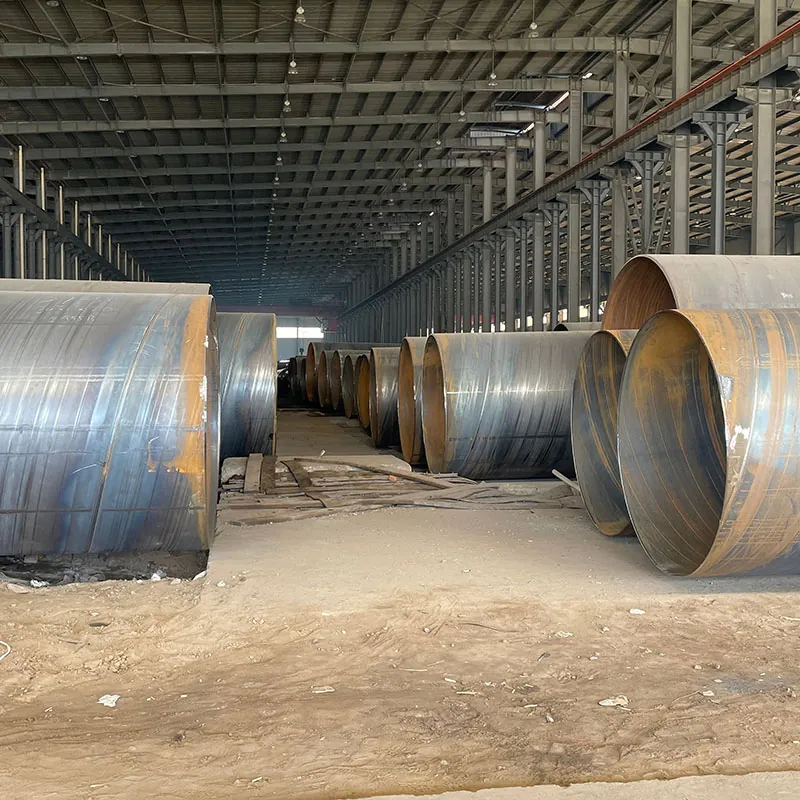
Heavy Wall Thickness SSAW Piling Pipe 1220mm OD for Marine Port Construction
Engineered to withstand the extreme dynamic loads and aggressive corrosive environments of maritime infrastructure, this…