
Key Features & Advantages
Technical Specifications
| Parameter | Specification Details |
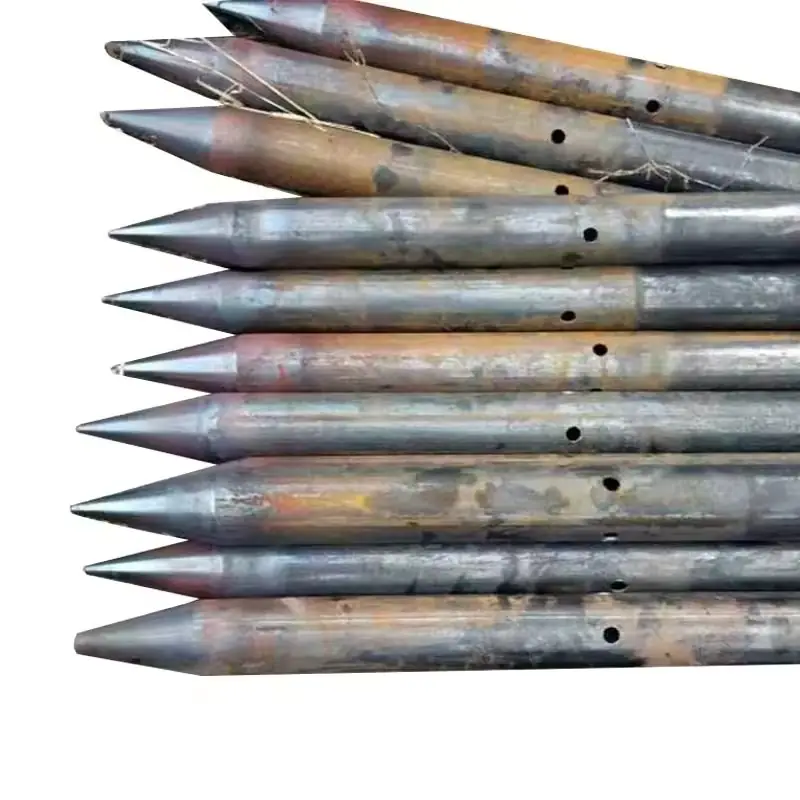
| Outer Diameter (OD) | 32 mm |
| Wall Thickness (WT) | 1.2 mm to 4.0 mm |
| Material Grade | Carbon Steel (Q235B/Q355B), Galvanized Steel, PVC/PE |
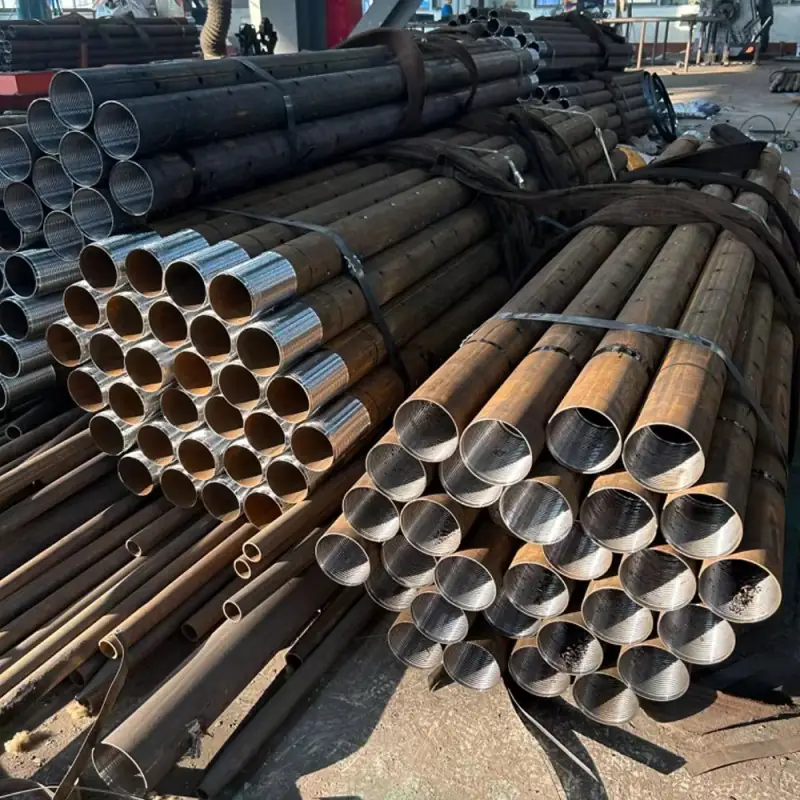
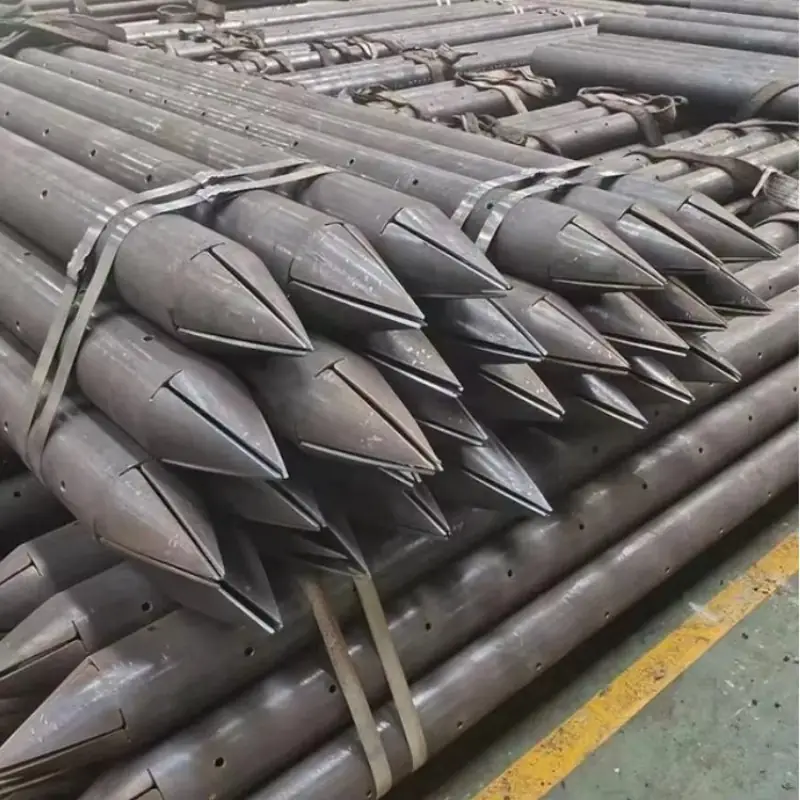
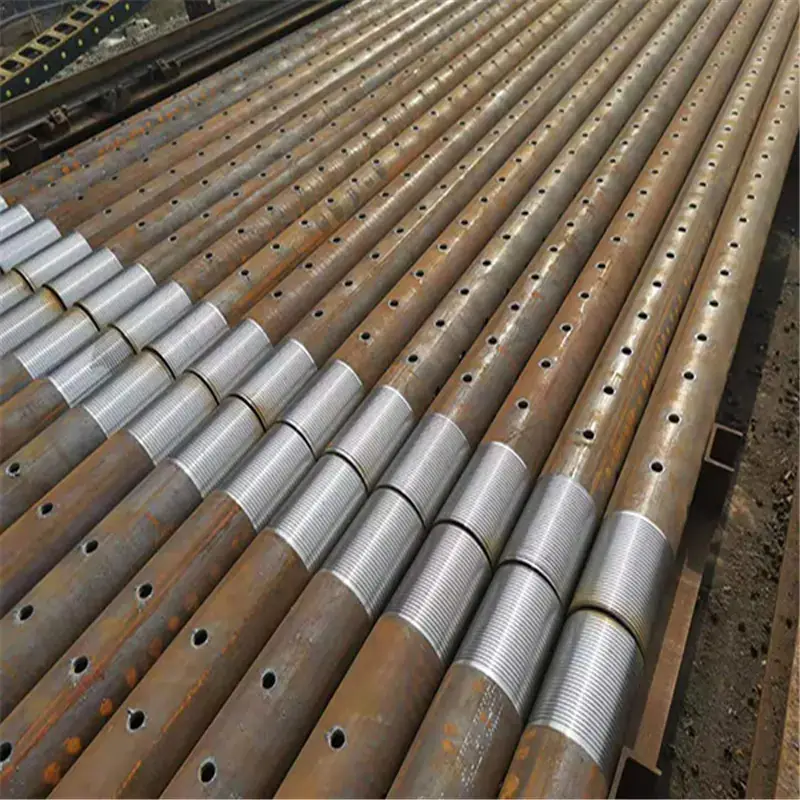
| Type Configurations | Perforated (Flower Pipe with check valves) or Plain Solid Wall |
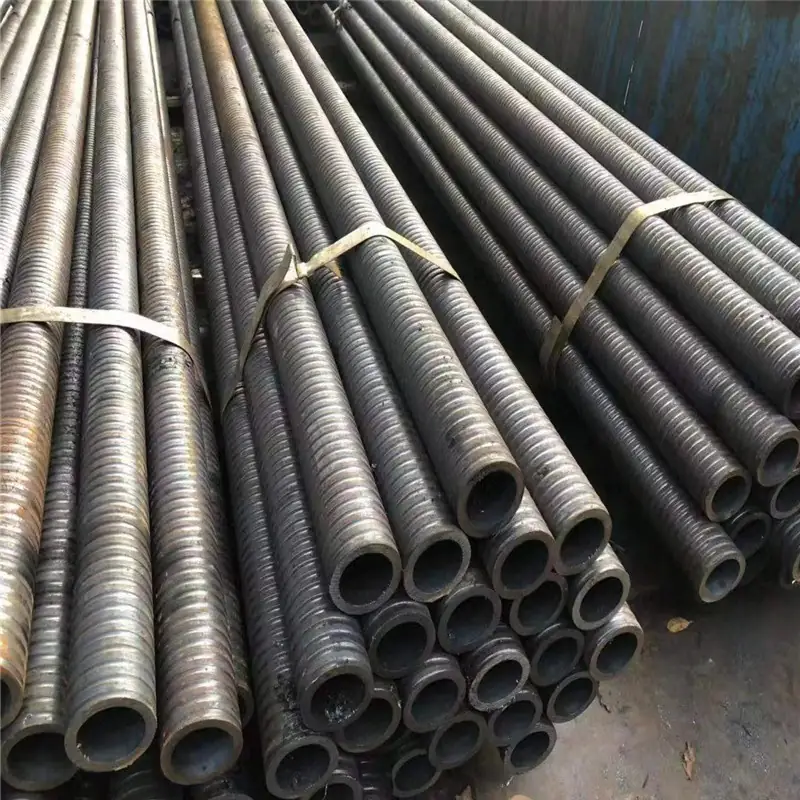
| Connection Method | Threaded Coupling, Socket, or Sleeve Welded |
| Hole Pattern | Spiral or Staggered laser-drilled patterns |
Primary Applications
Quality Assurance & Performance Testing
Frequently Asked Questions (FAQ)
A: Our φ32 grouting pipes are made from structural carbon steel, such as Q235B or Q355B (ASTM A53 / EN 10219). These grades offer high tensile and yield strength, allowing the pipes to withstand significant lateral soil pressures and rock shifts during installation and injection.
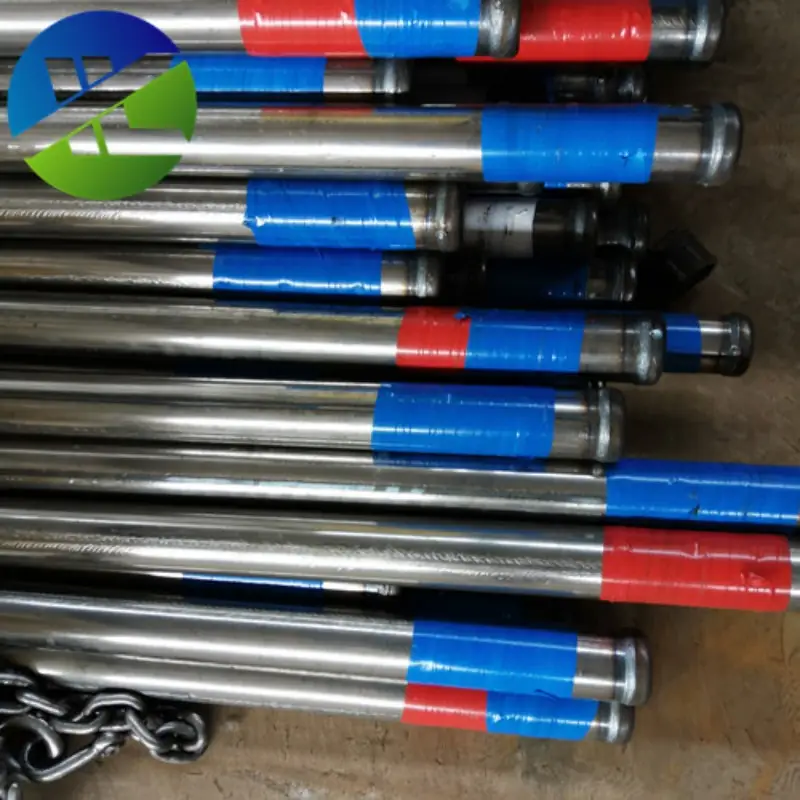
A: The injection ports are covered with high-elasticity rubber sleeves or check-valve tapes. Pumping pressure forces the sleeve open, letting the cement slurry flow into the surrounding soil. When pressure drops, the sleeve snaps back to seal the port, preventing groundwater or mud from backing into the pipe.
A: Yes. Our threaded coupling sleeves are precision-machined with tight tolerances, creating a secure, weld-free connection. These joints are designed to maintain an absolute watertight seal under high-pressure grouting, preventing joint blowouts.
A: Yes. We supply φ32 self-drilling anchor (SDA) systems. The lead pipe can be fitted with a sacrificial button or cross drill bit, allowing the rig to drill directly through collapsing or fractured formations. Grouting is then executed immediately through the same pipe, eliminating temporary casing.
A: Yes. We fully customize our φ32 pipes to meet your specific geological design requirements, including pipe lengths (e.g., 3m, 4m, 6m), wall thicknesses, hole diameters, and perforation pitch layouts.
Related Steel Solutions
Bitumen Coated Piling Steel Pipe 813mm OD 12.7mm WT for Corrosive Soil Protection
Engineered to provide an exceptionally robust and cost-effective foundation barrier in the most aggressive subterranean…
EN 10219 S355J2H LSAW Steel Pipe Pile 36 Inch 25.4mm WT for Offshore Wind Farm
Engineered to withstand the relentless cyclic wave actions and immense structural loads of offshore renewable…
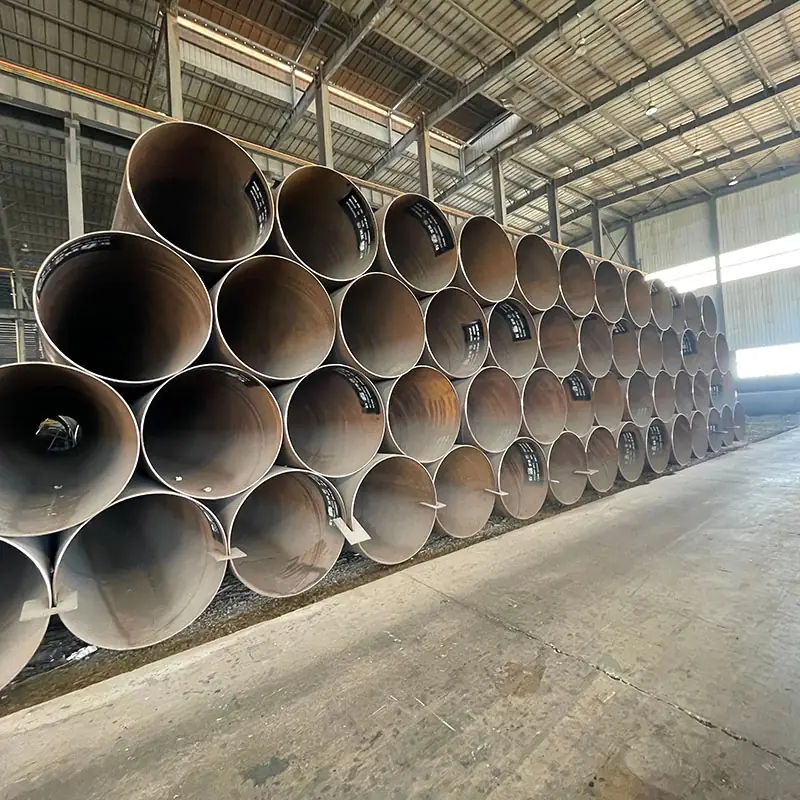
ASTM A500 Grade B Welded Piling Pipe 406mm OD with Conical Point for Soil Piling
Engineered to provide excellent ground consolidation and dependable end-bearing capacity, this ASTM A500 Grade B…
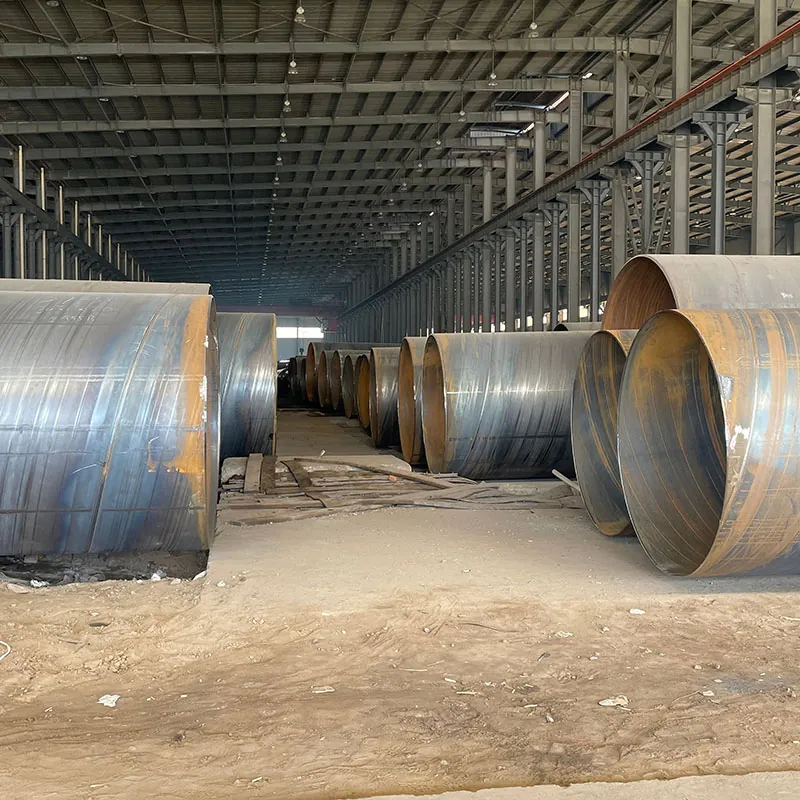
Heavy Wall Thickness SSAW Piling Pipe 1220mm OD for Marine Port Construction
Engineered to withstand the extreme dynamic loads and aggressive corrosive environments of maritime infrastructure, this…