
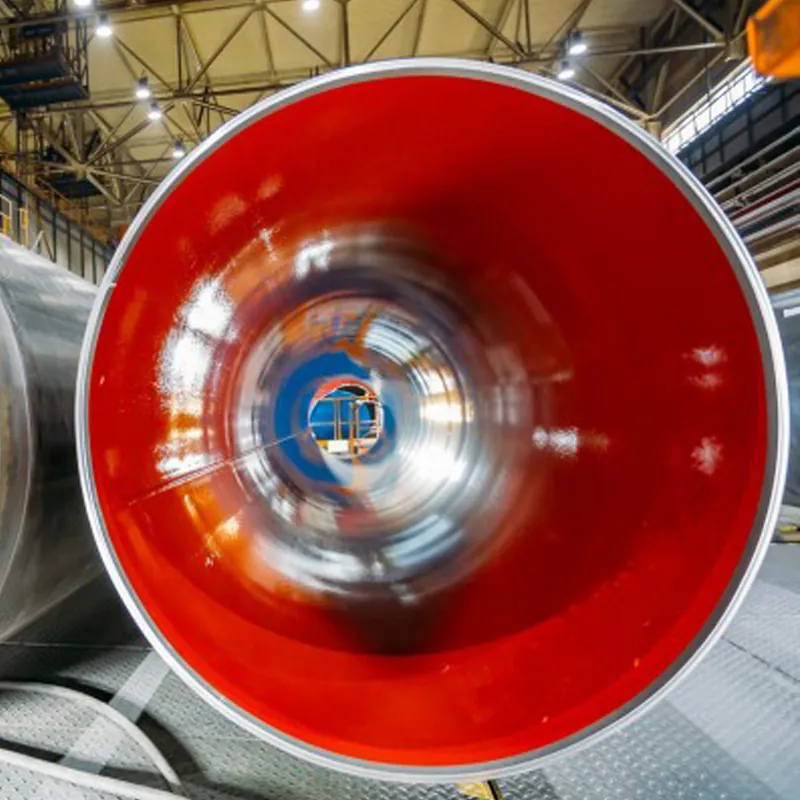
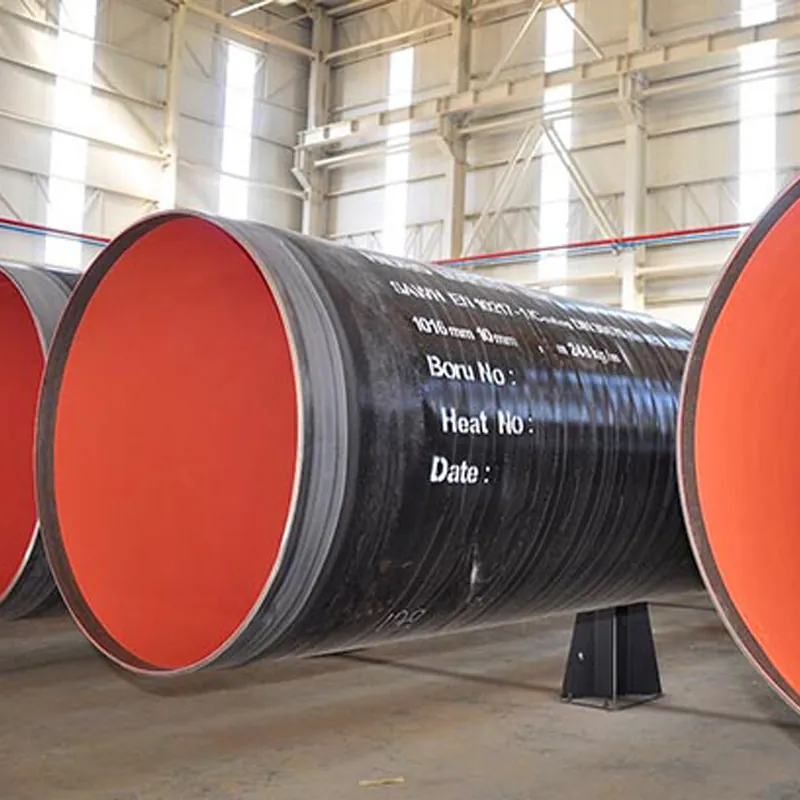
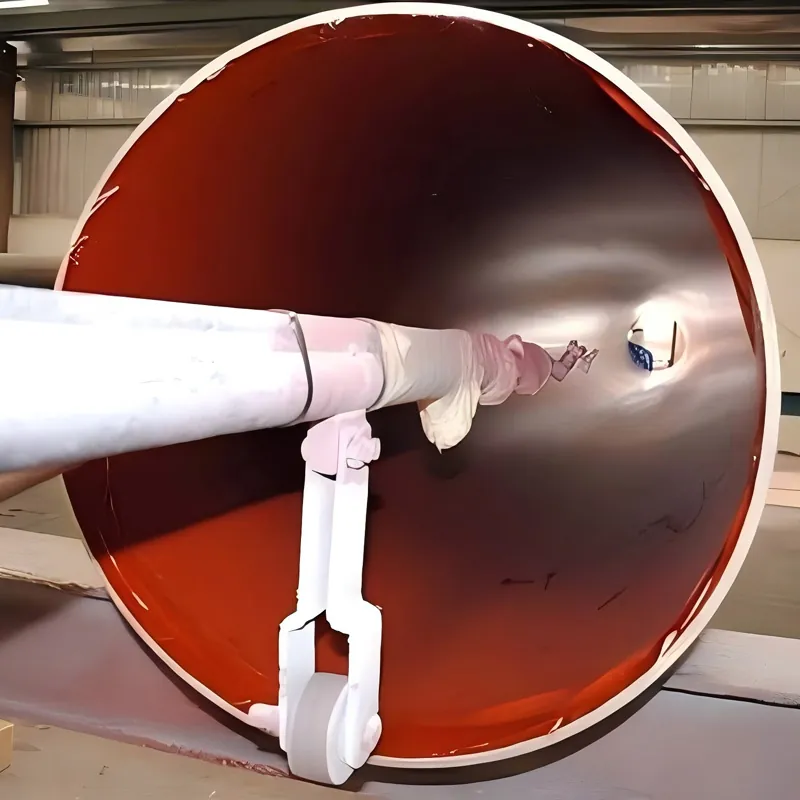
Features & Advantages
Technical Specifications
| Specification Item | Detailed Description |
| Product Name | Internal Liquid Epoxy Lined ERW Steel Pipe |
| Lining Standard | AWWA C210 (Liquid-epoxy coatings and linings for steel water pipe) |
| Base Pipe Standard | ASTM A53 Grade B, API 5L Grade B, AWWA C200 (Welded Line Pipe) |
| Manufacturing Process | ERW (Electric Resistance Welding) |
| Nominal Pipe Size (NPS) | 12 Inch (DN300) |
| Outer Diameter (OD) | 12.75 inches (323.8 mm) |
| Wall Thickness (WT) | Schedule 40 (0.406 inches / 10.31 mm) |
| Internal Lining Type | Two-part liquid epoxy (polyamide or amine-cured) |
| Sanitary Certifications | NSF/ANSI/CAN 61 (potable water contact approval) |
| Lining Thickness | Standard 300 to 400 microns Dry Film Thickness (DFT) per AWWA C210 |
| Pipe Ends | Beveled ends (30°~35°) with a factory bare steel cutback for field joint welding |
| Standard Length | 5.8m, 6.0m, 11.8m, 12.0m, or customized |
Product Applications
Rigorous Quality Control & Manufacturing Process
Frequently Asked Questions (FAQ)
A: Fusion-bonded epoxy (FBE) is applied as a dry powder onto preheated steel (typically above 200°C), while liquid epoxy is a two-part wet paint applied at ambient or moderately warm temperatures. Liquid epoxy (to AWWA C210) can achieve an exceptionally smooth, glass-like finish, which significantly reduces friction loss in water pipelines, and is highly versatile for specific municipal drinking water certifications.
A: Yes, absolutely. Our liquid epoxy formulation is fully certified to NSF/ANSI/CAN 61, the premier global standard for drinking water system components. This ensures that the cured lining is entirely non-toxic, does not leach chemicals, and will not alter the taste or smell of the water.
A: The pipes are delivered with a standard bare steel cutback (50mm–100mm) at the ends. After field butt-welding and weld inspection, the joint area is cleaned. Pipeline crews or joint-coating specialists can then apply matching two-part liquid epoxy paint directly to the inner weld seam using long-reach rollers or specialized joint-coating tools to restore continuous, seamless internal protection.
A: A 12-inch Schedule 40 pipe features a substantial 10.31mm wall thickness. This provides the necessary mechanical strength and high burst pressure capacity to easily withstand municipal water hammer surges, external soil loads during deep burial, and external road traffic overburdens.
Related Steel Solutions
Bitumen Coated Piling Steel Pipe 813mm OD 12.7mm WT for Corrosive Soil Protection
Engineered to provide an exceptionally robust and cost-effective foundation barrier in the most aggressive subterranean…
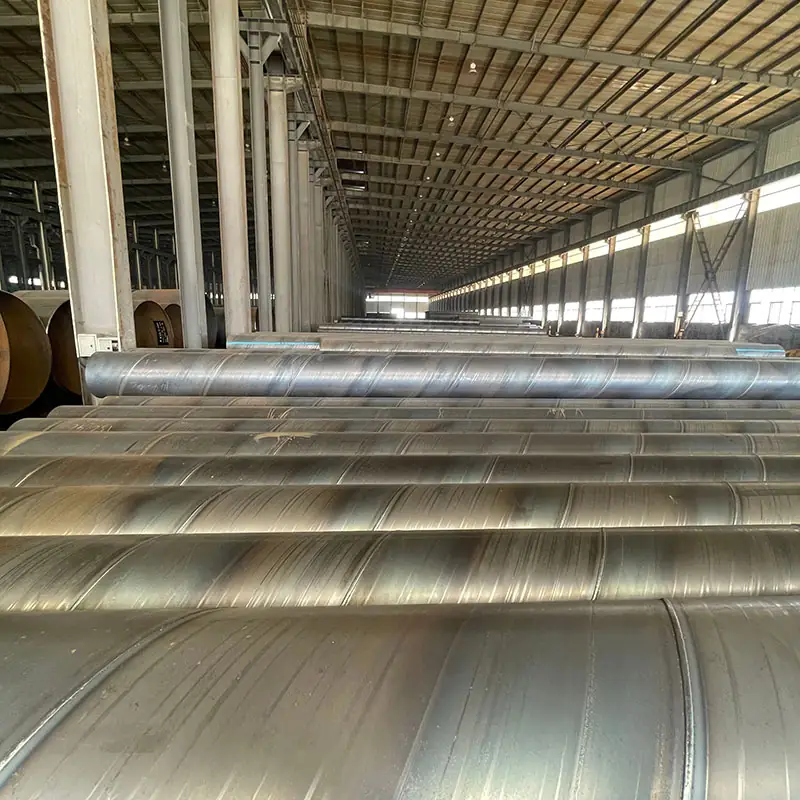
EN 10219 S355J2H LSAW Steel Pipe Pile 36 Inch 25.4mm WT for Offshore Wind Farm
Engineered to withstand the relentless cyclic wave actions and immense structural loads of offshore renewable…
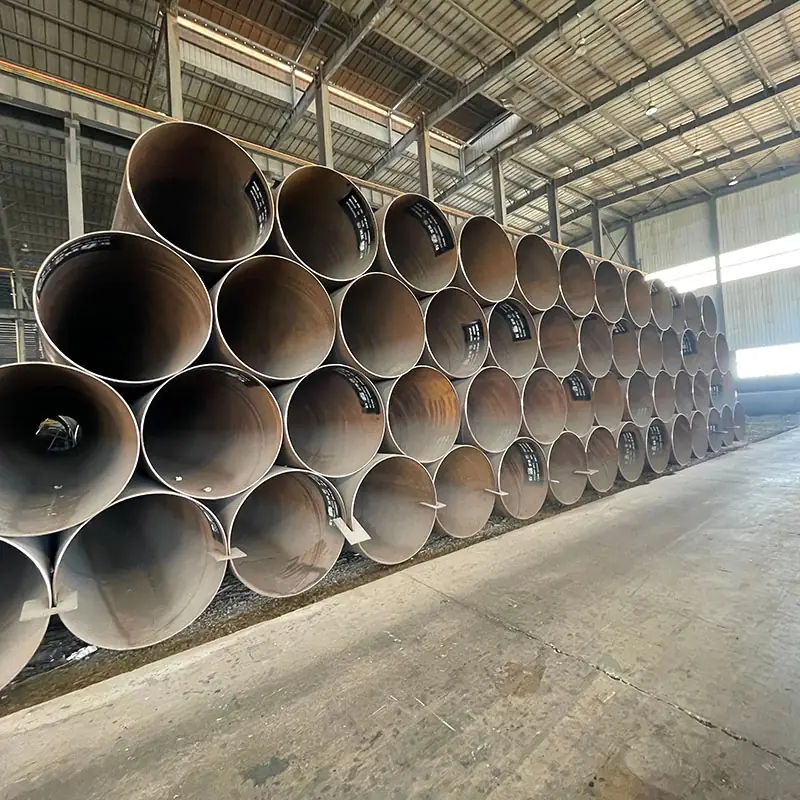
ASTM A500 Grade B Welded Piling Pipe 406mm OD with Conical Point for Soil Piling
Engineered to provide excellent ground consolidation and dependable end-bearing capacity, this ASTM A500 Grade B…
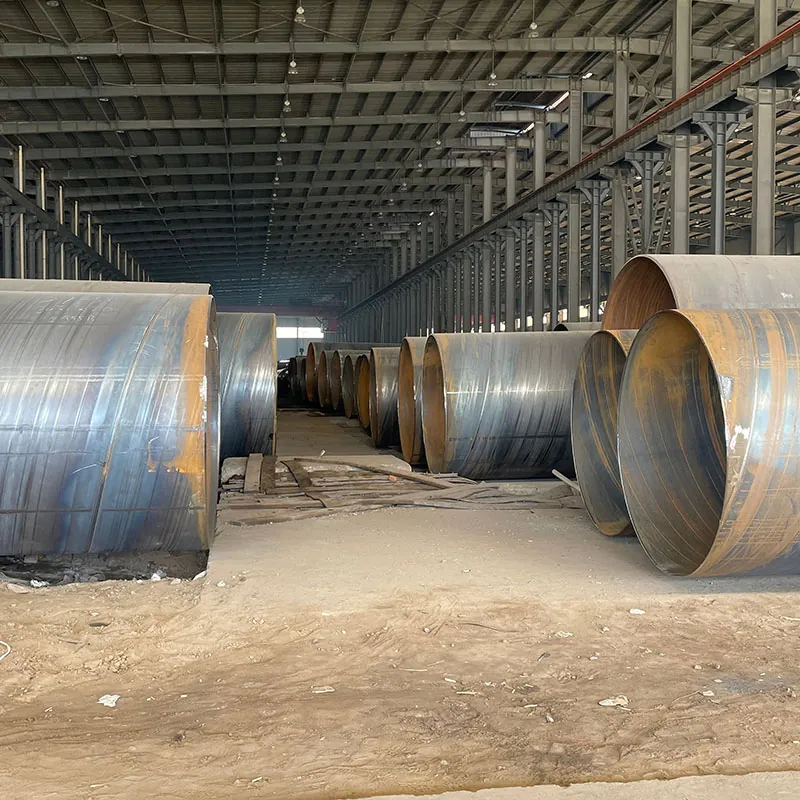
Heavy Wall Thickness SSAW Piling Pipe 1220mm OD for Marine Port Construction
Engineered to withstand the extreme dynamic loads and aggressive corrosive environments of maritime infrastructure, this…