
Features & Advantages
Technical Specifications
| Specification Item | Detailed Description |
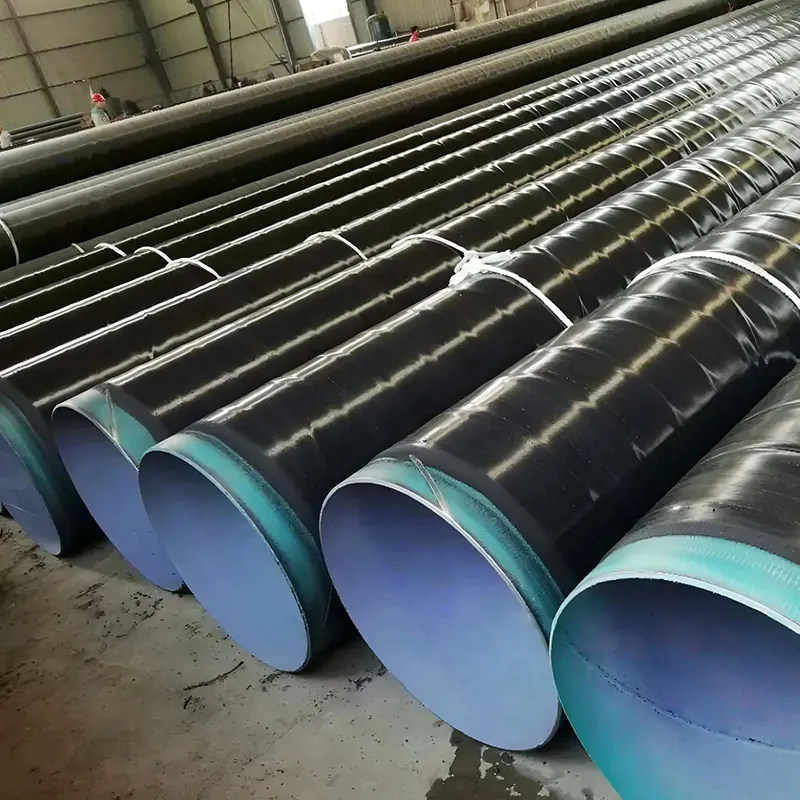
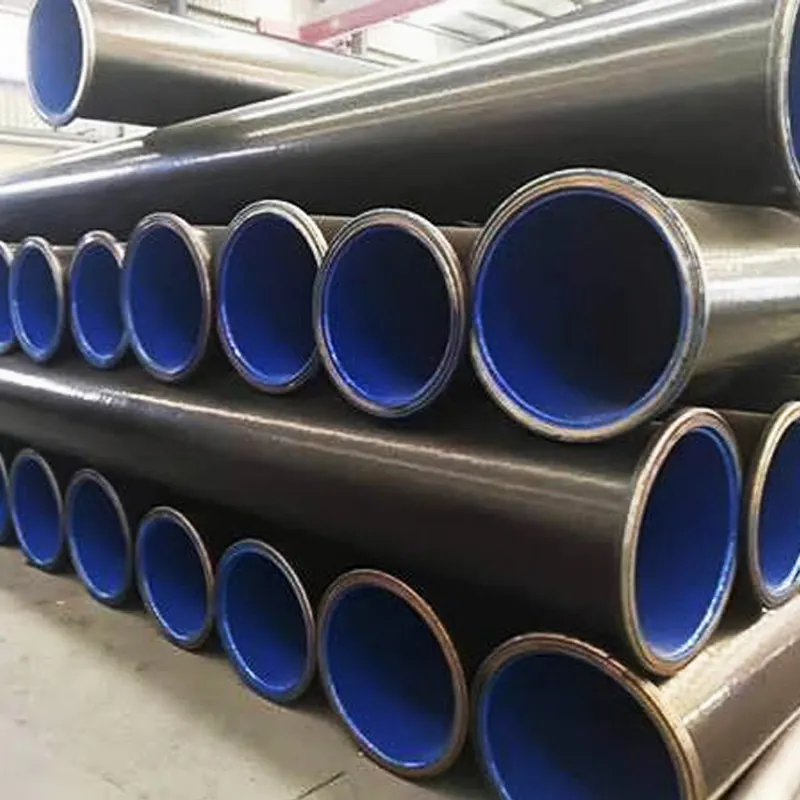
| Product Name | Dual Layer FBE (DFBE) Anti-Corrosion Steel Pipe |
| Base Pipe Standard | API 5L Grade B, X42, X52, X60, X70 (PSL1 / PSL2) |
| Manufacturing Process | LSAW (Longitudinal Welded) or SSAW (Spiral Welded) |
| Nominal Pipe Size (NPS) | 36 Inch (DN900) |
| Outer Diameter (OD) | 36.00 inches (914.4 mm) |
| Wall Thickness (WT) | Typical 9.53 mm to 25.4 mm (Customizable based on design pressure) |
| Coating Type | Dual-Layer Fusion Bonded Epoxy (DFBE) / System 2B |
| Coating Standards | CSA Z245.20 (System 2B), ISO 21809-2, NACE SP0394 |
| Coating Structure |
Layer 1: Base Corrosion Protective FBE (300-400 µm) Layer 2: Abrasion Resistant Outer FBE (350-500 µm) |
| Total Dry Film Thickness (DFT) | Typically 700 to 1000 microns (28 to 40 mils) or as specified |
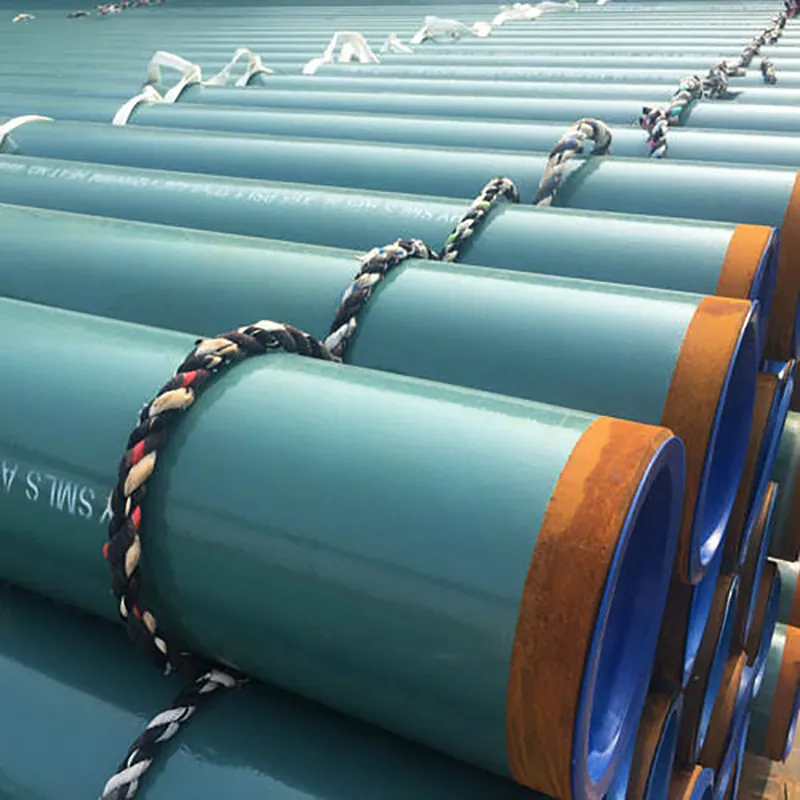
| Pipe Ends | Beveled ends (30°~35°) with a factory bare steel cutback for field welding |
| Standard Length | 11.8m, 12.0m, or customized |
Product Applications
Rigorous Quality Control & Manufacturing Process
Frequently Asked Questions (FAQ)
A: Single-layer FBE is designed primarily for electrochemical corrosion resistance but has limited mechanical strength. Dual-layer FBE (DFBE) utilizes a dual-powder coating process where the base layer provides anti-corrosion protection, and the second, highly filled outer layer acts as an abrasion-resistant shield to protect the pipeline from physical damage.
A: During HDD or slip-lining, the pipe is dragged directly through underground rocky boreholes. This friction can scratch or peel off standard single-layer coatings. The abrasion-resistant outer layer of DFBE absorbs these physical stresses, ensuring that the critical anti-corrosion base layer remains completely intact upon final placement.
A: No. Despite its increased thickness (up to 1000 microns), DFBE is formulated to maintain excellent flexibility. It easily complies with standard field cold-bending requirements (typically up to 1.5° to 3.0° per pipe diameter length) without cracking or delamination.
A: The pipes are supplied with standard bare steel cutbacks at the ends. Once the field butt-welding is completed and inspected, the joint is cleaned. Pipeline crews then apply specialized field joint coatings, typically Canusa-CPS or similar high-performance heat-shrinkable sleeves (HSS) with a reinforced liquid epoxy primer, to match the main pipe’s high-performance protective profile.
Related Steel Solutions
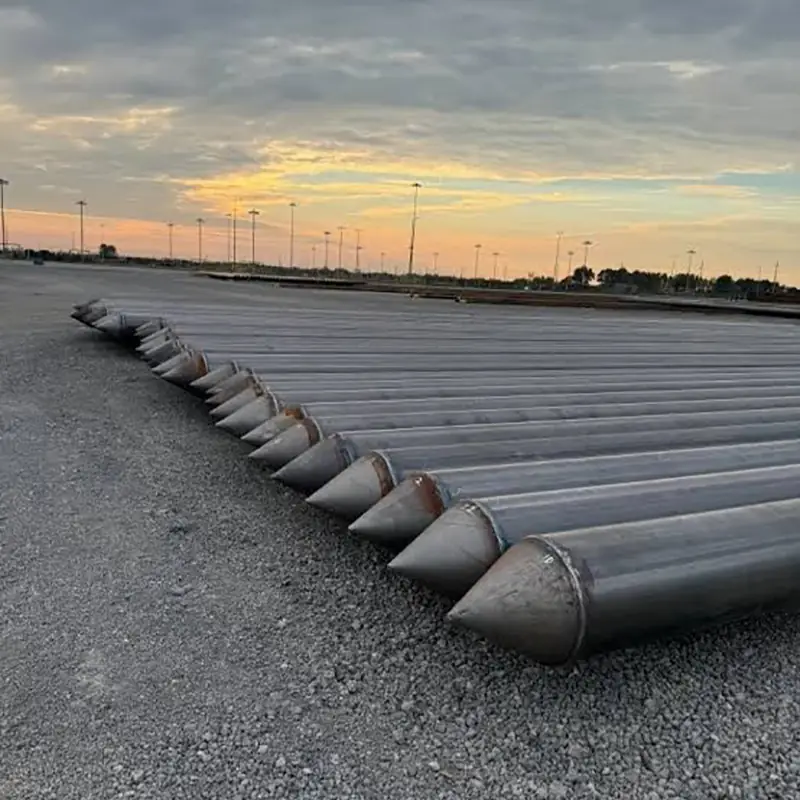
Bitumen Coated Piling Steel Pipe 813mm OD 12.7mm WT for Corrosive Soil Protection
Engineered to provide an exceptionally robust and cost-effective foundation barrier in the most aggressive subterranean…
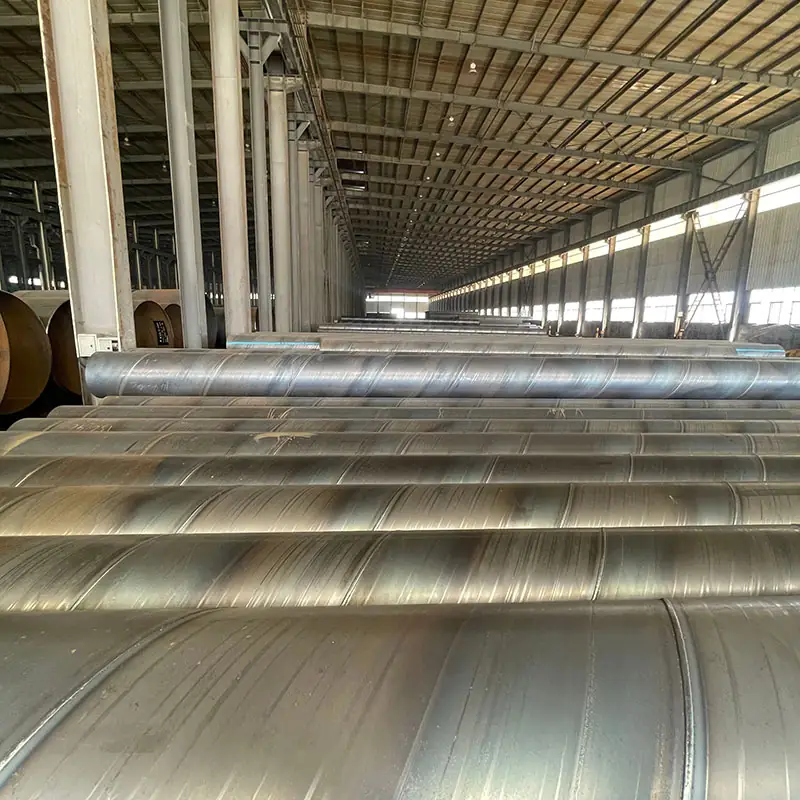
EN 10219 S355J2H LSAW Steel Pipe Pile 36 Inch 25.4mm WT for Offshore Wind Farm
Engineered to withstand the relentless cyclic wave actions and immense structural loads of offshore renewable…
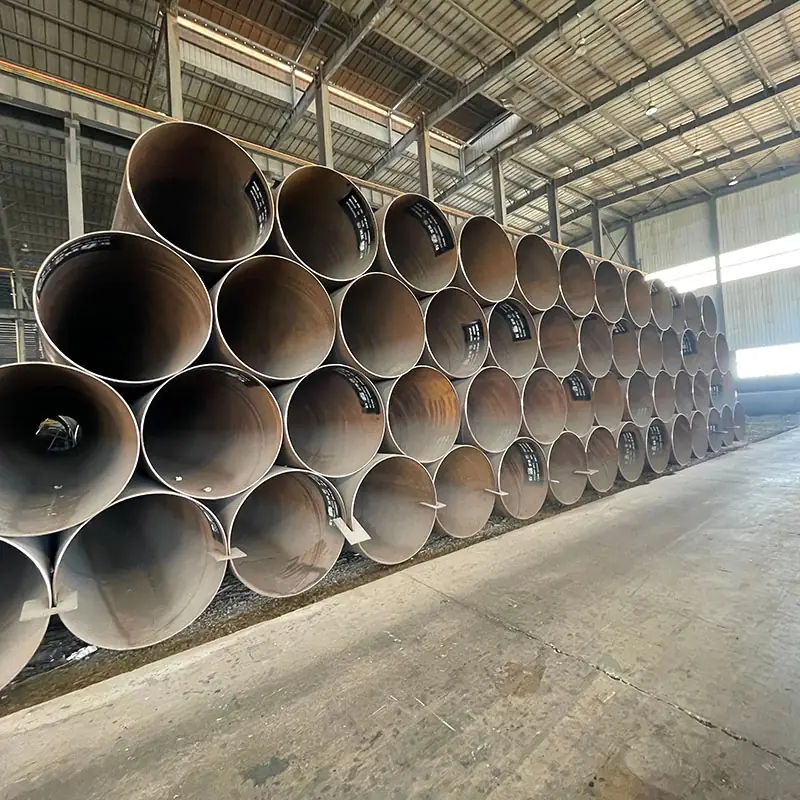
ASTM A500 Grade B Welded Piling Pipe 406mm OD with Conical Point for Soil Piling
Engineered to provide excellent ground consolidation and dependable end-bearing capacity, this ASTM A500 Grade B…
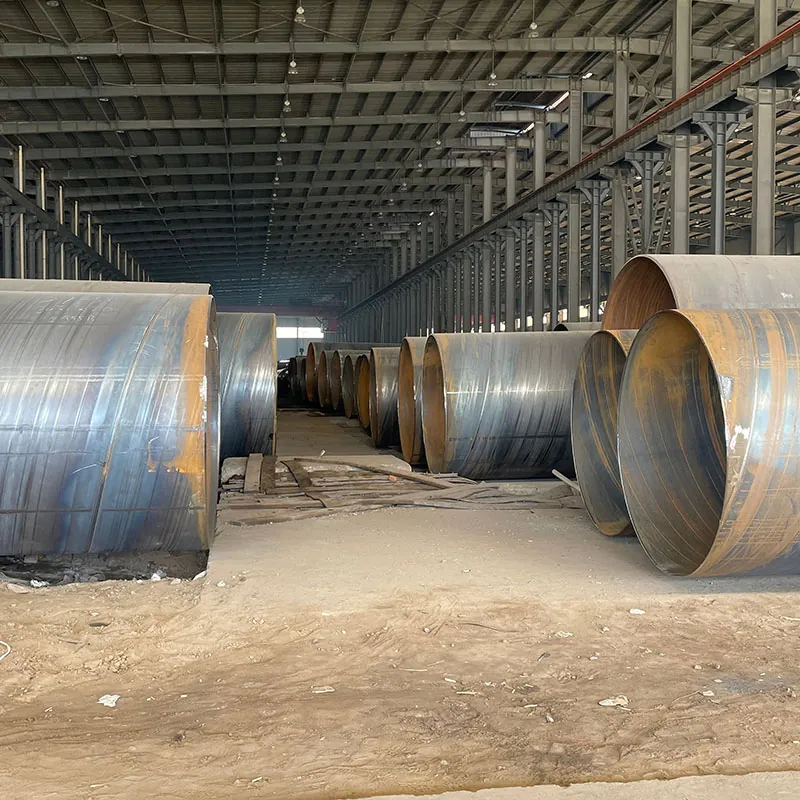
Heavy Wall Thickness SSAW Piling Pipe 1220mm OD for Marine Port Construction
Engineered to withstand the extreme dynamic loads and aggressive corrosive environments of maritime infrastructure, this…