
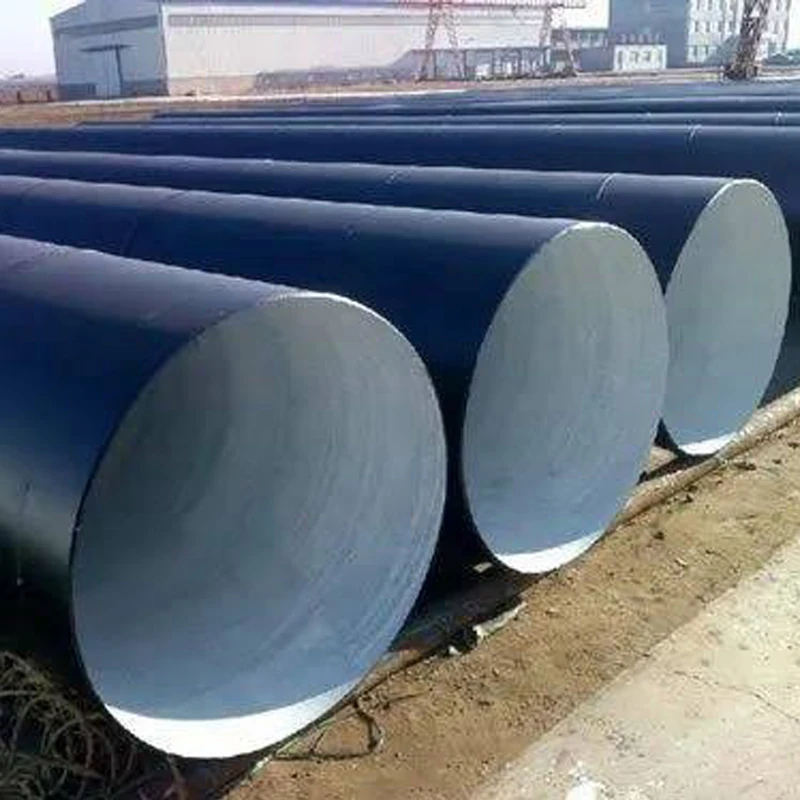
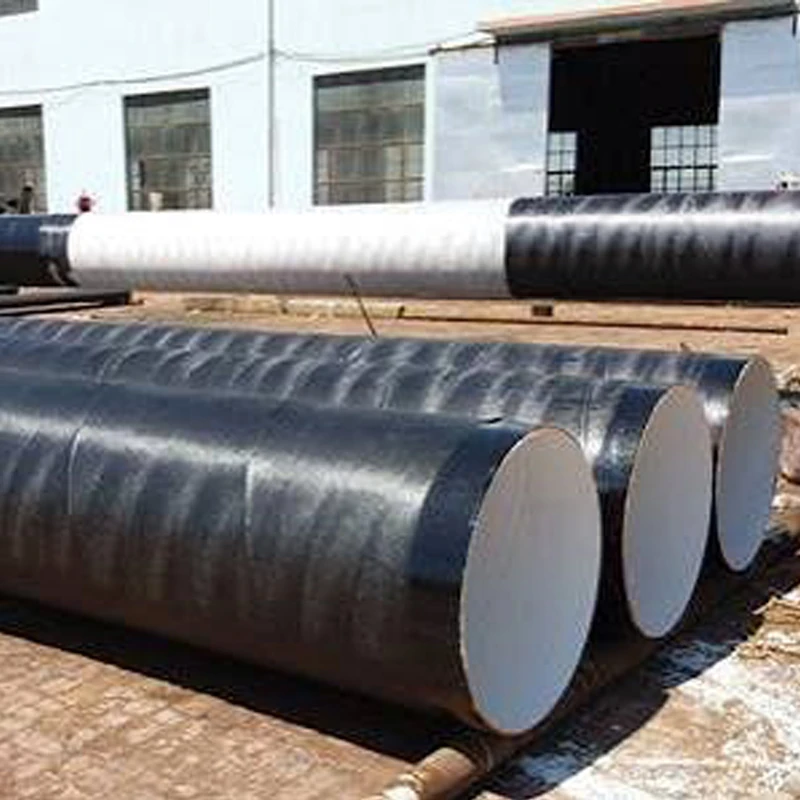
Features & Advantages
Technical Specifications
| Specification Item | Detailed Description |
| Product Name | Epoxy Coal Tar Coated ERW Steel Pipe |
| Base Pipe Standard | ASTM A53 Grade B (Welded Line Pipe) |
| Manufacturing Process | ERW (Electric Resistance Welding) |
| Nominal Pipe Size (NPS) | 12 Inch (DN300) |
| Outer Diameter (OD) | 12.75 inches (323.8 mm) |
| Wall Thickness (WT) | Standard (STD) / 0.375 inches (9.53 mm) or Schedule 40 (0.406 inches / 10.31 mm) |
| Anti-Corrosion Coating | Epoxy Coal Tar (Coal Tar Epoxy) Liquid Coating System |
| Coating Standards | AWWA C210, SSPC-Paint 16, SY/T 0447 |
| Coating Thickness | Standard 300 to 500 microns Dry Film Thickness (DFT), customizable with glass fiber mesh |
| Pipe Ends | Beveled ends (30°~35°) with a bare steel cutback for field welding, or plain ends |
| Standard Length | 5.8m, 6.0m, 11.8m, 12.0m, or customized |
Product Applications
Rigorous Quality Control & Manufacturing Process
Frequently Asked Questions (FAQ)
A: Sewage environments are highly aggressive due to anaerobic bacteria, persistent moisture, and corrosive gases like hydrogen sulfide (H2S). Coal tar epoxy is uniquely formulated to resist these biochemical threats, preventing pitting and localized corrosion much more effectively than standard barrier paints, making it the global standard for wastewater lines.
A: According to standards like AWWA C210 or SSPC-Paint 16, the standard dry film thickness (DFT) for liquid coal tar epoxy ranges between 300 and 500 microns (12 to 20 mils). For heavy-duty direct burial, we can add glass fiber mesh reinforcement to significantly increase the coating’s structural impact resistance.
A: Not at all. After the ERW welding process, the external weld bead is trimmed flush (scarfed) during base pipe production. Following SA 2.5 shot blasting, the liquid coal tar epoxy flows smoothly over the weld zone, ensuring a continuous, uniform, and tightly bonded protective barrier across the parent metal and weld seam alike.
A: The pipes are supplied with pre-beveled ends and a bare steel cutback. After field butt-welding and weld inspection, the joint area is cleaned and protected on-site using liquid coal tar epoxy paint or specialized cold-applied coal tar tapes, ensuring seamless, continuous corrosion protection for the entire pipeline.
Related Steel Solutions
Bitumen Coated Piling Steel Pipe 813mm OD 12.7mm WT for Corrosive Soil Protection
Engineered to provide an exceptionally robust and cost-effective foundation barrier in the most aggressive subterranean…
EN 10219 S355J2H LSAW Steel Pipe Pile 36 Inch 25.4mm WT for Offshore Wind Farm
Engineered to withstand the relentless cyclic wave actions and immense structural loads of offshore renewable…
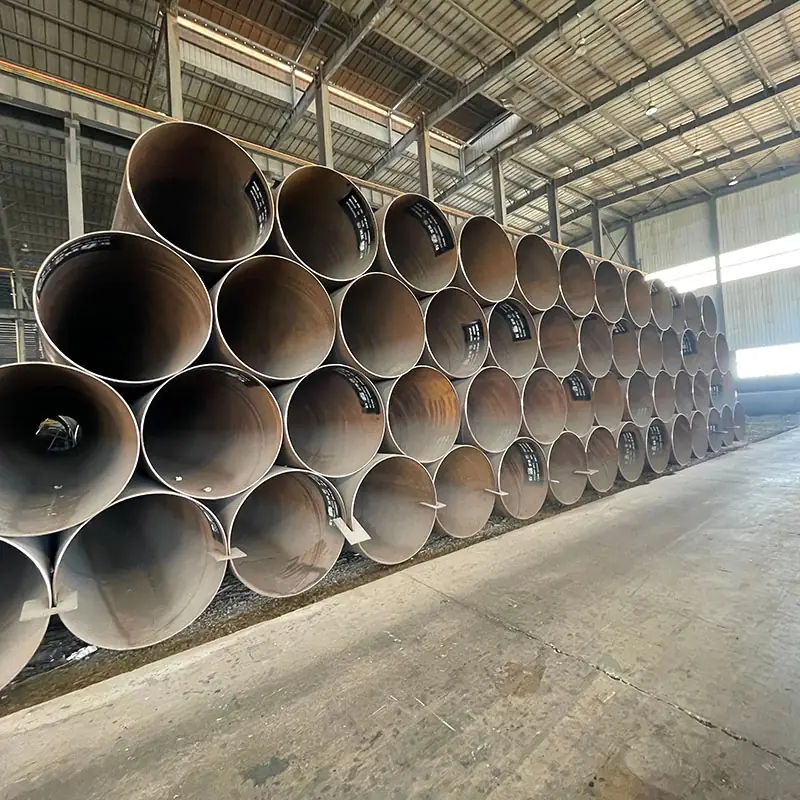
ASTM A500 Grade B Welded Piling Pipe 406mm OD with Conical Point for Soil Piling
Engineered to provide excellent ground consolidation and dependable end-bearing capacity, this ASTM A500 Grade B…
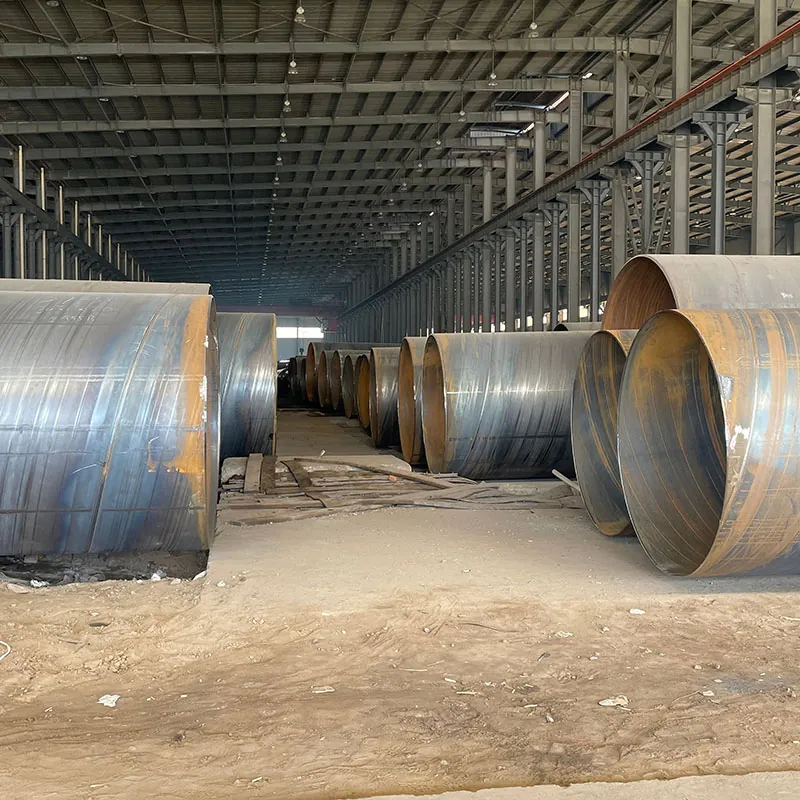
Heavy Wall Thickness SSAW Piling Pipe 1220mm OD for Marine Port Construction
Engineered to withstand the extreme dynamic loads and aggressive corrosive environments of maritime infrastructure, this…