
Features & Advantages
Technical Specifications
| Specification Item | Detailed Description |
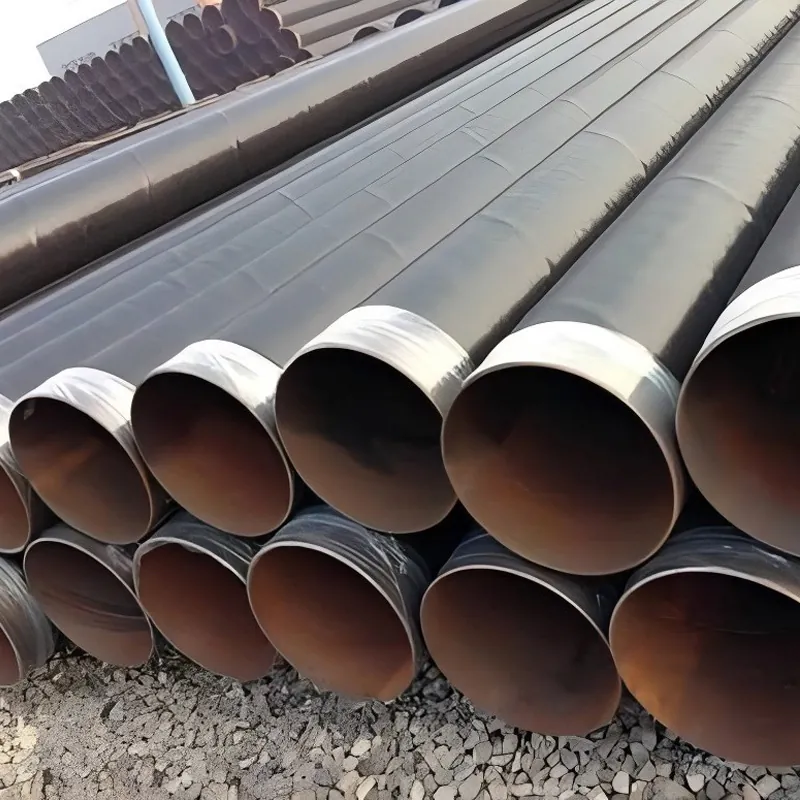
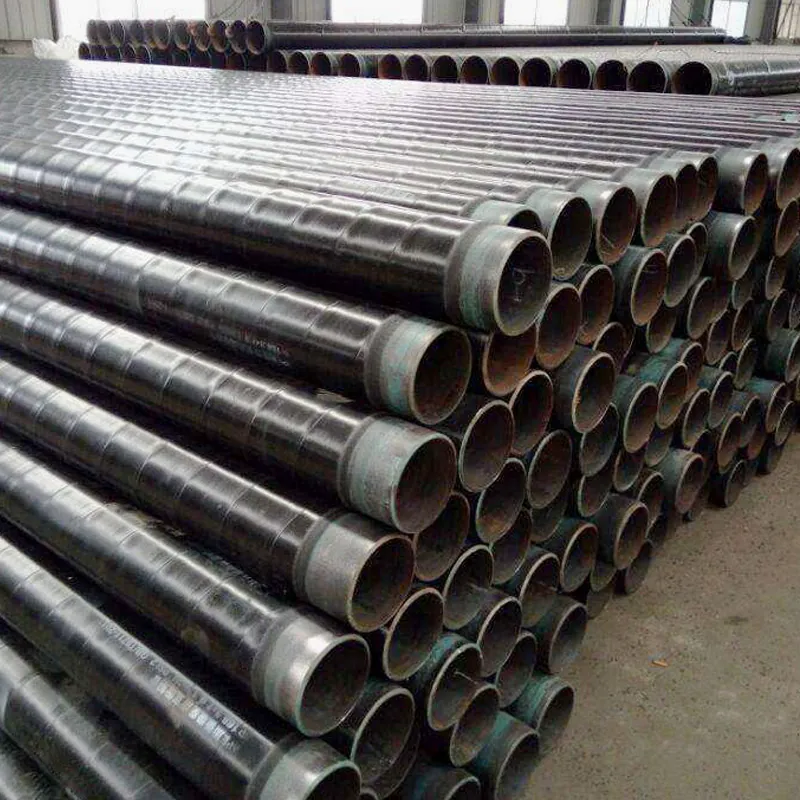
| Product Name | 3-Layer Polyethylene (3PE) Coated LSAW Steel Pipe |
| Base Pipe Material | API 5L Grade X52 (PSL1 / PSL2) |
| Manufacturing Process | LSAW (Longitudinal Submerged Arc Welding) |
| Nominal Pipe Size (NPS) | 24 Inch (DN600) |
| Outer Diameter (OD) | 24.00 inches (609.6 mm) |
| Wall Thickness (WT) | Typical 0.375" to 1.000" (9.53 mm – 25.4 mm), customizable per project design |
| Coating Structure |
Layer 1: FBE Primer Layer 2: Copolymer Adhesive Layer 3: Polyethylene (PE) Topcoat |
| Coating Standard | DIN 30670 (German Standard for PE Coatings on Steel Pipes) |
| Pipe Ends | Beveled ends (30°~35°) with a bare steel cutback length of 50mm-150mm for field welding |
| Standard Length | 11.8m, 12m (Standard for LSAW), or customized lengths |
Product Applications
Rigorous Quality Control & Manufacturing Process
Frequently Asked Questions (FAQ)
A: While ERW is excellent for smaller diameters, the LSAW (Longitudinal Submerged Arc Welding) process is specifically designed for large-diameter (over 18 inches) and heavy-wall pipes. LSAW provides superior weld strength and structural integrity, which is mandatory for high-pressure oil and gas transmission.
A: DIN 30670 is widely recognized as one of the most rigorous international standards for polyethylene coatings. It mandates strict criteria for coating thickness, impact strength, and adhesion testing. Specifying DIN 30670 ensures the pipeline will reliably withstand severe mechanical handling and long-term soil stress.
A: Yes. The outermost Polyethylene (PE) layer of the 3PE system acts as a rugged physical armor. It is highly resistant to impact and abrasion, preventing rocky soils or abrasive backfill materials from penetrating and damaging the foundational anti-corrosion FBE layer.
A: The bare steel ends (cutbacks) left for on-site butt welding are typically coated with a temporary, weldable rust-preventative varnish or protected with heavy-duty pipe end caps to prevent oxidation during transit and storage.
Related Steel Solutions
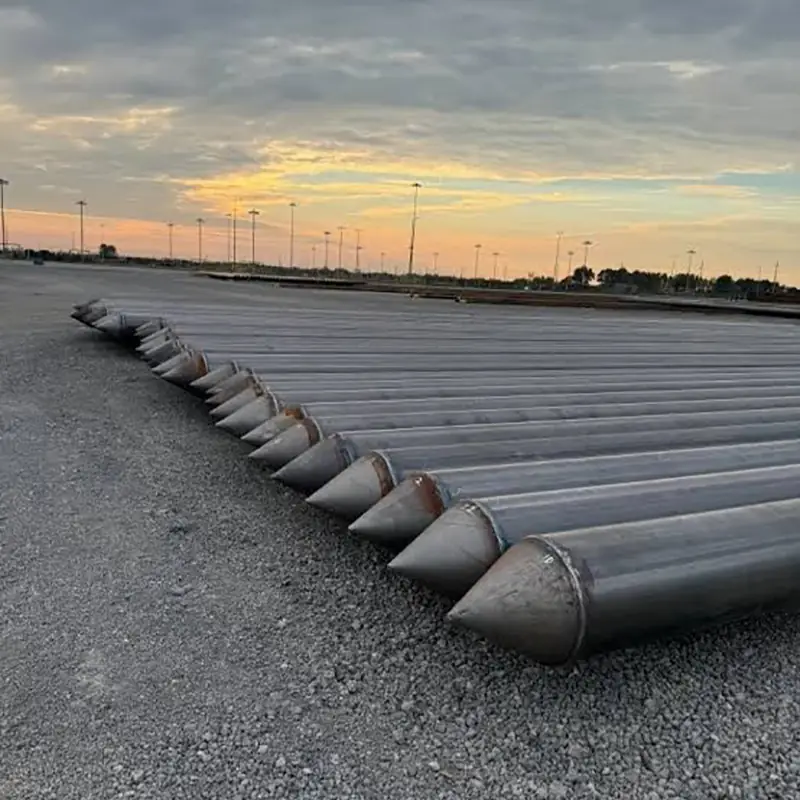
Bitumen Coated Piling Steel Pipe 813mm OD 12.7mm WT for Corrosive Soil Protection
Engineered to provide an exceptionally robust and cost-effective foundation barrier in the most aggressive subterranean…
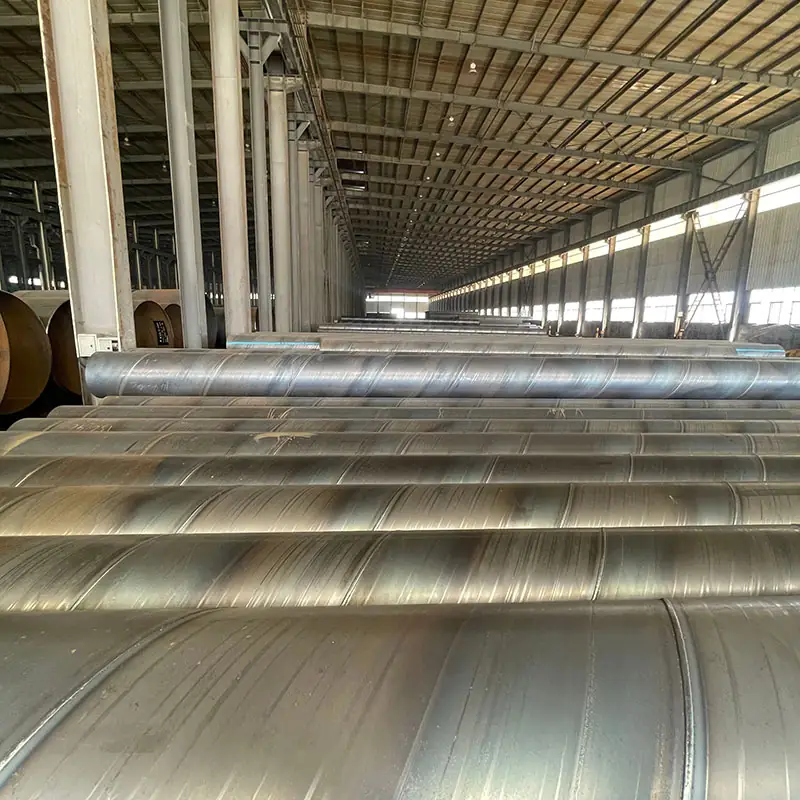
EN 10219 S355J2H LSAW Steel Pipe Pile 36 Inch 25.4mm WT for Offshore Wind Farm
Engineered to withstand the relentless cyclic wave actions and immense structural loads of offshore renewable…
ASTM A500 Grade B Welded Piling Pipe 406mm OD with Conical Point for Soil Piling
Engineered to provide excellent ground consolidation and dependable end-bearing capacity, this ASTM A500 Grade B…
Heavy Wall Thickness SSAW Piling Pipe 1220mm OD for Marine Port Construction
Engineered to withstand the extreme dynamic loads and aggressive corrosive environments of maritime infrastructure, this…