Introduction
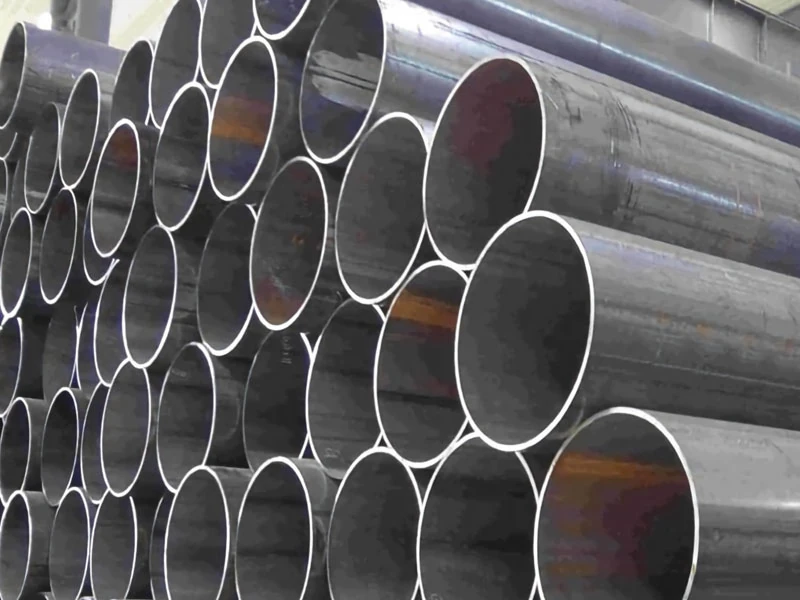
Steel pipelines are widely used in oil and gas transportation, water supply systems, chemical industries, and infrastructure projects. However, underground pipelines often face harsh conditions, including moisture, soil corrosion, and chemical exposure. Over time, these factors can damage steel pipes, reduce service life, and increase maintenance costs.
To improve pipeline durability, many projects choose 3PE coated pipe as an effective corrosion protection solution. The three-layer polyethylene coating creates a strong protective barrier on the steel pipe surface. It helps prevent corrosion while also improving resistance to impact and external damage during transportation and installation.
Choosing the right pipe depends on project requirements, operating conditions, and environmental factors. This guide explains the structure, standards, performance, and selection considerations of 3PE coated steel pipes, helping buyers make better decisions for their pipeline projects.
What Is a 3PE Coated Pipe?
A 3PE coated pipe is a steel pipe with a three-layer polyethylene corrosion protection coating applied to its outer surface. The coating is designed to protect the steel pipe from corrosion, moisture, and external damage, especially in underground pipeline applications.
Unlike ordinary steel pipes, 3PE coated pipes add an extra protective layer between the steel surface and the surrounding environment. This helps reduce corrosion risks and extends the service life of pipelines used for oil and gas transportation, water supply, and other industrial projects.
The coating consists of three main layers: a fusion bonded epoxy (FBE) layer, an adhesive layer, and a high-density polyethylene (HDPE) outer layer.
Structure of Three-Layer Polyethylene (3PE) Coating
The performance of a 3PE coated pipe depends largely on its three-layer coating structure. Each layer provides different protection functions.
Fusion Bonded Epoxy (FBE) Layer
The first layer is fusion bonded epoxy (FBE).
Before coating, the steel pipe surface is carefully cleaned to remove rust, oil, and other contaminants. The epoxy powder is then applied to the heated pipe surface. After melting, it forms a strong bond with the steel.
The FBE layer is mainly responsible for corrosion protection. It creates a dense barrier that prevents moisture and corrosive substances from reaching the steel surface. In addition, its strong adhesion provides a stable foundation for the following coating layers.
The main functions of the FBE layer include:
- Preventing water and chemical penetration
- Improving corrosion resistance
- Enhancing bonding strength between the steel pipe and coating system
Adhesive Layer
The second layer is a modified adhesive layer.
Its main purpose is to connect the FBE coating with the polyethylene outer layer. Since epoxy and polyethylene have different material properties, the adhesive layer improves bonding between them.
A strong adhesive layer helps prevent coating separation during transportation, installation, and long-term operation. It also allows the three coating layers to maintain stable performance under temperature changes and external pressure.
High Density Polyethylene (HDPE) Layer
The third layer is the high-density polyethylene (HDPE) outer layer.
As the external protective layer, HDPE protects the steel pipe from physical damage and environmental impact. It provides excellent resistance to impact, soil friction, and moisture, making it suitable for buried pipeline applications.
The HDPE layer mainly protects the pipe from:
- Impact during transportation and installation
- Soil movement and friction
- Underground moisture
- External environmental conditions
With HDPE protection, 3PE coated pipes can maintain reliable performance in demanding underground environments and provide longer service life for pipeline projects.
How to Choose a Reliable 3PE Coated Pipe Manufacturer?
Selecting the right supplier is as important as choosing the right pipe. A qualified manufacturer should provide high-quality products, strict quality control, and professional support throughout the project.
Evaluate Manufacturing Capability
A reliable 3PE coated pipe manufacturer should have complete production capabilities, including steel pipe manufacturing, surface preparation, coating application, and final inspection.
Strong manufacturing capability ensures consistent product quality and stable delivery. It also allows manufacturers to control every key production stage, reducing quality risks during project execution.
Review Quality Control and Inspection Process
Quality control plays an important role in 3PE coated pipe performance.
A professional supplier should inspect both the steel pipe and coating quality during production. Important inspection points include pipe dimensions, welding quality, surface preparation, coating thickness, and coating adhesion.
Consider Industry Experience and Project Support
Experience with similar pipeline projects is another important factor when selecting a supplier.
Manufacturers with international project experience usually understand different technical standards, documentation requirements, and application conditions. This experience helps improve communication efficiency and supports smoother project delivery.
Why Choose Cangtie Pipe for 3PE Coated Steel Pipe Supply?
Choosing a reliable 3PE coated pipe manufacturer is essential for ensuring pipeline safety and long-term performance. Cangtie Pipe provides welded steel pipes with advanced 3PE corrosion protection solutions for underground pipelines, oil and gas transportation, and industrial applications.
Reliable 3PE Coating Performance for Long-Term Pipeline Protection
Cangtie Pipe’s 3PE coated steel pipes are designed to provide reliable protection against corrosion, impact, and environmental stress. The coating performance can meet demanding underground pipeline requirements.
| Performance Item | Requirement / Performance Value |
| Operating Temperature Range | -45℃ to 85℃ for normal buried conditions; short-term temperature resistance up to 115℃ (within 2 hours) |
| High-Temperature Application | Modified 3PE coating available for hot oil pipelines with long-term temperature resistance up to 95℃ |
| Coating Breakdown Strength | ≥25 kV/mm, with overall 3PE coating breakdown voltage ≥70 kV |
| Peel Strength at 23℃ | ≥120 N/cm between polyethylene layer and epoxy powder layer |
| Peel Strength at 50℃ | ≥80 N/cm |
| Cathodic Disbondment Resistance | Disbondment radius ≤8 mm after testing at 65℃ and 1.5V for 48 hours |
| Impact Resistance | ≥8 J/mm |
| Wear Resistance | Wear loss ≤7 mg/1000 revolutions under abrasion testing |
| Water Absorption | ≤0.01% to reduce moisture penetration and corrosion risks |
| Bending Performance | No cracking or coating detachment when bending radius ≥25D |
| Service Life | Designed service life of ≥50 years under normal buried soil conditions |
Strict Quality Control and International Standards Compliance
Cangtie Pipe applies strict inspection procedures throughout the manufacturing process to maintain product quality and coating reliability.
The products can be manufactured according to international standards and technical requirements, including:
- ISO 21809-1 for three-layer polyethylene coating systems
- CSA Z245.21 standard for corrosion protection of three-layer polyolefin pipes
- DIN 30670 for polyethylene coated steel pipes
- B/T 23257 national standard for polyethylene anticorrosion coating of buried steel pipelines
By following these standards, Cangtie Pipe helps customers achieve reliable steel pipe corrosion protection for different pipeline environments.
Customized 3PE Coating Solutions for Challenging Environments
Different pipeline projects face different challenges. Soil conditions, operating temperatures, pressure levels, and external environments all affect coating performance.
Cangtie Pipe provides customized 3PE coated pipe solutions to improve durability and maintain long-term pipeline reliability.
Solutions for Extreme Temperature Applications
Pipeline projects in cold regions and frozen soil areas require coatings that can maintain flexibility at low temperatures.
For these environments, low-temperature resistant HDPE materials and modified adhesives can be used to reduce the risk of cracking. The coating can be designed for temperatures as low as -45℃ to -60℃.
For hot oil and heat transportation pipelines, modified 3PE structures improve heat resistance. These coatings can support long-term operation at 65℃ to 85℃, with special solutions available for temperatures up to 95℃.
Solutions for High-Corrosion Underground Environments
Coastal areas, salt-rich soil, and high-moisture environments can increase corrosion risks for buried pipelines.
For these conditions, enhanced 3PE protection can be applied. Solutions may include:
- Thicker polyethylene layers
- Improved surface preparation
- Additional pipe-end sealing protection
Solutions for High-Pressure Pipeline Applications
High-pressure pipelines require strong protection against external forces during operation and installation.
Reinforced 3PE coatings can achieve a total thickness of ≥2.5 mm. This improves resistance to impact, soil pressure, and installation stress.
These solutions are suitable for:
- Long-distance pipelines
- Deep-buried pipelines
- Directional drilling projects
Solutions for Complex Operating Conditions
Some pipeline projects face multiple challenges, including high temperatures, high humidity, salt corrosion, and mechanical stress.
For these applications, Cangtie Pipe can provide combined protection solutions. These may include modified 3PE materials, increased coating thickness, sealed pipe ends, and suitable pipeline steel grades.
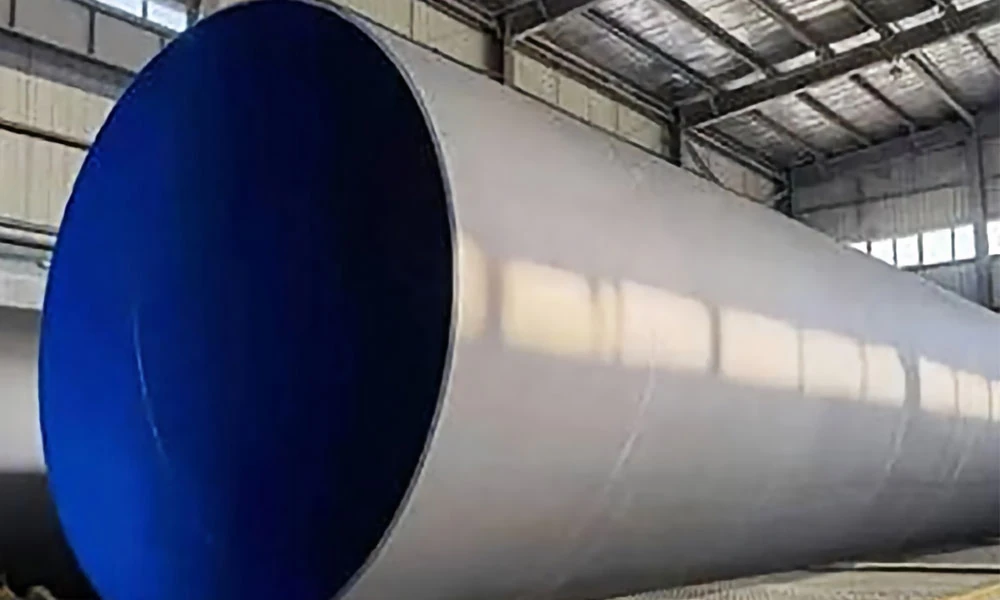
Engineering Case: 3PE Coated Pipe for Central Asia Oil and Gas Pipeline
A Central Asia oil and gas transmission project required reliable corrosion protection for buried pipelines. The project area had high salt content, high humidity, and significant temperature differences between day and night.
The customer had previously used conventional coated pipes. However, problems such as coating peeling, salt corrosion, and low-temperature cracking affected long-term pipeline performance.
To solve these challenges, Cangtie Pipe supplied reinforced 3PE coated steel pipes with modified polyethylene outer layers and high-adhesion epoxy powder coatings. The upgraded coating structure improved resistance to corrosion, coating damage, and temperature changes.
After installation, the pipeline maintained stable coating performance in the harsh underground environment. The solution reduced maintenance requirements and helped extend the pipeline’s service life.
FAQ
Q1. What is the difference between standard, reinforced, and extra-reinforced 3PE coated pipes?
The main difference is the thickness of the outer PE layer and corrosion protection level. Standard 3PE is suitable for municipal water supply in normal soil, reinforced 3PE is used for oil and gas pipelines and common salt-alkaline areas, while extra-reinforced 3PE is designed for coastal areas, highly corrosive soil, and directional drilling projects.
Q2. What environments are not suitable for standard 3PE coated pipes?
Standard 3PE is not recommended for long-term outdoor exposure without soil coverage, continuous operating temperatures above 85℃, or strong acid chemical environments. High-temperature applications can use modified 3PE coatings, while strong acid conditions may require FBE coated steel pipes.
Q3. How should finished 3PE coated pipes be stored to prevent coating damage?
3PE coated pipes should be covered during outdoor storage to prevent direct UV exposure. Pipes should be stacked with soft padding between layers, lifted with slings instead of steel wire ropes, and the storage period should generally not exceed 12 months.
Q4. Can standard 3PE coated pipes be used in coastal salt and alkaline environments?
Standard 3PE is not recommended for highly corrosive coastal salt and alkaline environments. Extra-reinforced 3PE pipes with thicker PE layers and pipe-end sealing protection can provide reliable performance, with a service life of more than 40 years under suitable conditions.
Conclusion
A reliable anti corrosion steel pipe should provide more than basic corrosion resistance. It should also maintain coating integrity under soil corrosion, temperature changes, and external mechanical stress.
By understanding 3PE coating structures, performance requirements, and supplier selection methods, buyers can choose the most suitable pipeline solution for their projects.
For applications that require dependable steel pipe corrosion protection, Cangtie Pipe provides 3PE coated pipe solutions for underground pipelines, oil and gas transportation, and industrial projects. Contact Cangtie Pipe to discuss your project requirements and select the right corrosion protection solution.