
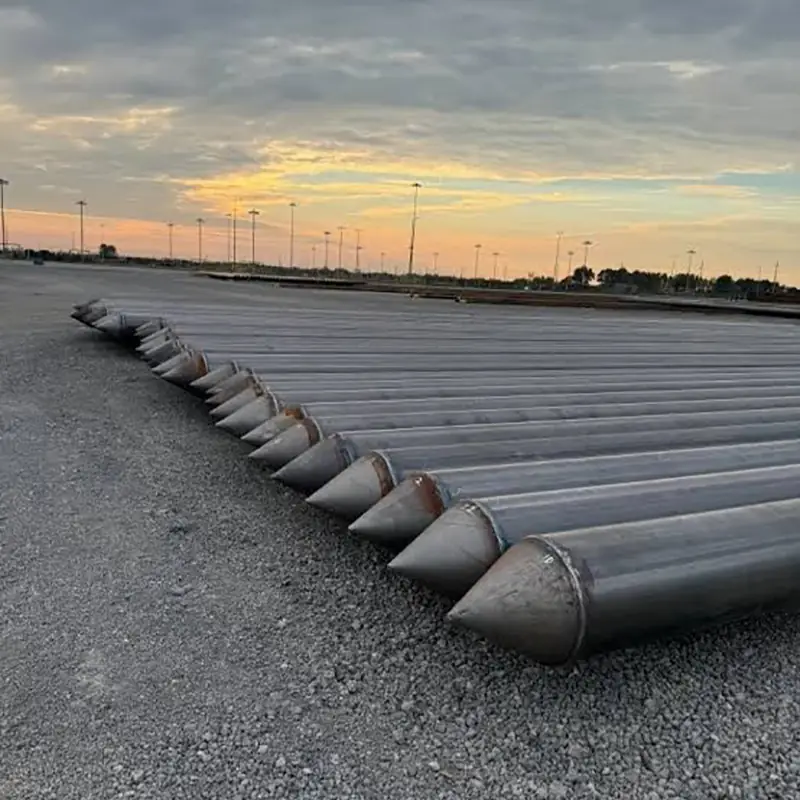
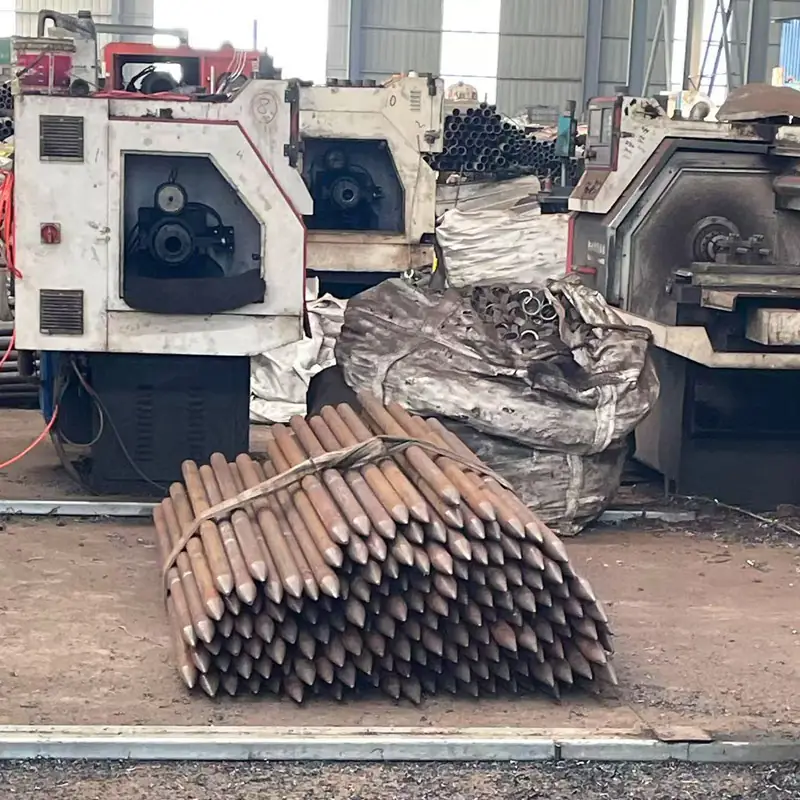
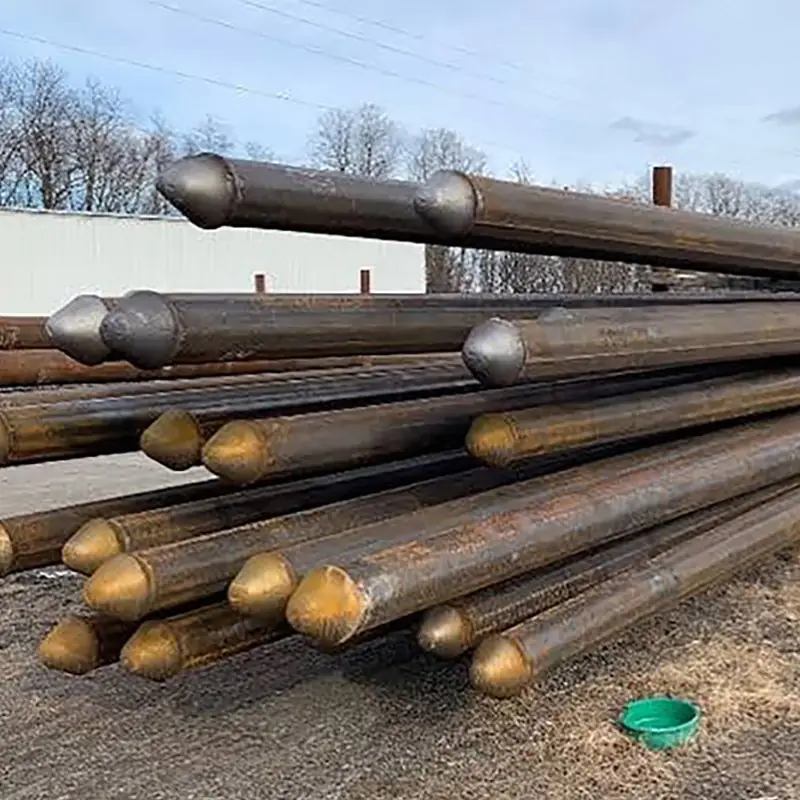
Features & Advantages
Technical Specifications
| Specification Item | Detailed Description |
| Product Name | Bitumen Coated Welded Steel Piling Pipe |
| Standard Specifications | ASTM A252 Grade 3, EN 10219 S355, GB/T 37636 (Structural Piling Standards) |
| Coating Standards | BS 534, AWWA C203, BS 4147 (Bituminous coatings and linings) |
| Manufacturing Process | SSAW (Spiral Welded) or LSAW base pipe + Hot-Applied Bitumen Coating |
| Nominal Outer Diameter | 813 mm (Nominal 32 Inch) |
| Wall Thickness (WT) | 12.7 mm (0.500 inches / half-inch wall) |
| Base Steel Grades | ASTM A252 Gr 3, S355, Q355B (Structural Carbon Steel) |
| Anti-Corrosion Structure | Exterior surface grit blasted to SA 2.5 + heavy hot-applied asphalt/bitumen paint |
| Pipe Ends Preparation | Square cut plain ends ideal for field joint butt-welding and splicing |
| Standard Pipe Length | Standard 6.0m to 12.0m, or customized as per transport limits |
Product Applications
Rigorous Quality Control & Manufacturing Process
Frequently Asked Questions (FAQ)
A: Subterranean soils in marshes, coastal zones, and chemical brownfields are highly aggressive, containing active acids, sulfur-reducing bacteria, and high chloride ions. While bare steel will corrode rapidly, hot-applied bitumen forms a thick, highly hydrophobic, and chemically inert barrier. It completely isolates the steel pile from moisture and ground chemistry at a fraction of the cost of premium polymer coatings like 3PE.
A: The most widely recognized global standards are BS 534 (the British standard for steel pipes and fittings, which includes bituminous coatings) and AWWA C203 (the standard for coal-tar protective coatings and linings). These standards define the strict cleaning, preheating, and thickness parameters required to ensure the asphalt adheres firmly and permanently to the steel.
A: A 12.7mm (0.500-inch) wall thickness provides a highly robust steel cross-section (standard weight). It delivers excellent structural column stiffness and resistance to “toeing” (the crimping of the pile end) during heavy hydraulic diesel hammer blows, allowing the pile to easily penetrate dense gravel, consolidated silt, or hard clay layers intact.
A: The pipes are delivered with a standard bare steel cutback (50mm–100mm) at the ends. Once the field butt-welding is completed and passes inspection, the joints are cleaned. Field crews then hand-wrap the weld joint area using cold-applied, heavy-duty bituminous anti-corrosion tapes, ensuring a seamless, continuous protective barrier along the entire length of the driven pile.
Related Steel Solutions
Bitumen Coated Piling Steel Pipe 813mm OD 12.7mm WT for Corrosive Soil Protection
Engineered to provide an exceptionally robust and cost-effective foundation barrier in the most aggressive subterranean…
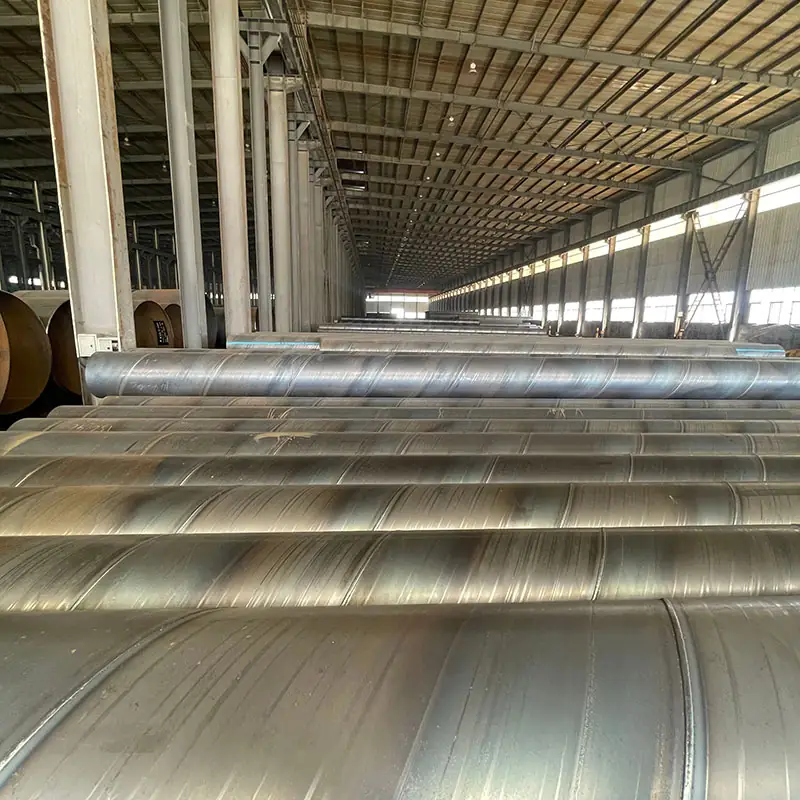
EN 10219 S355J2H LSAW Steel Pipe Pile 36 Inch 25.4mm WT for Offshore Wind Farm
Engineered to withstand the relentless cyclic wave actions and immense structural loads of offshore renewable…
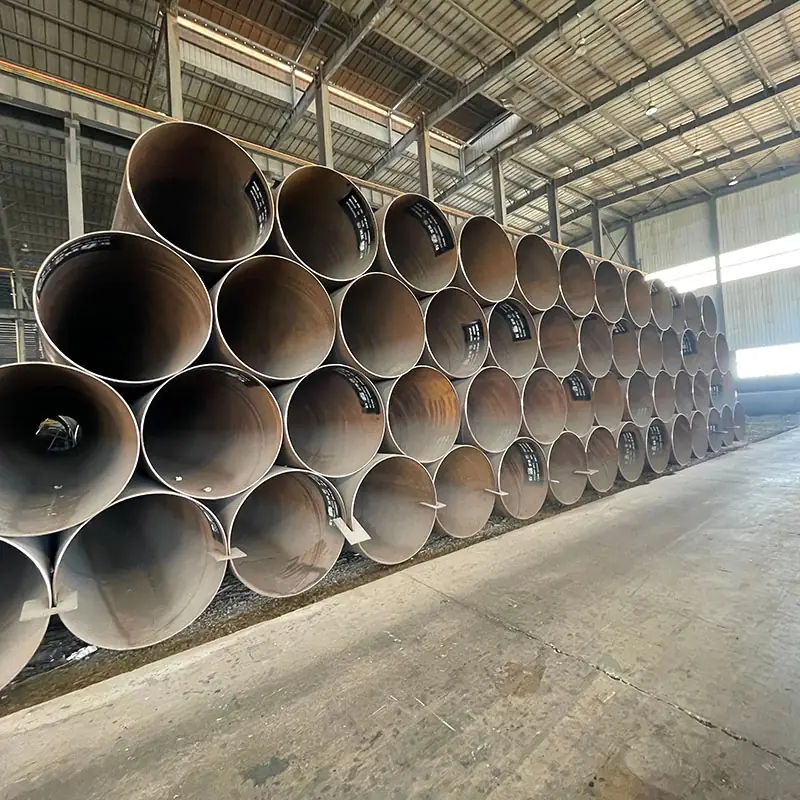
ASTM A500 Grade B Welded Piling Pipe 406mm OD with Conical Point for Soil Piling
Engineered to provide excellent ground consolidation and dependable end-bearing capacity, this ASTM A500 Grade B…
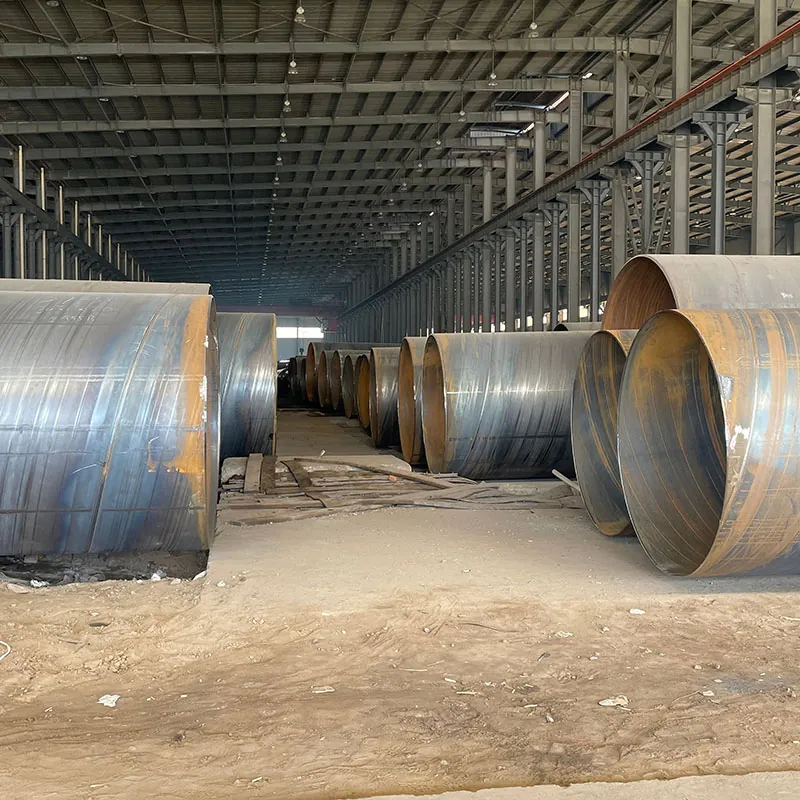
Heavy Wall Thickness SSAW Piling Pipe 1220mm OD for Marine Port Construction
Engineered to withstand the extreme dynamic loads and aggressive corrosive environments of maritime infrastructure, this…