
Features & Advantages
Technical Specifications
| Specification Item | Detailed Description |
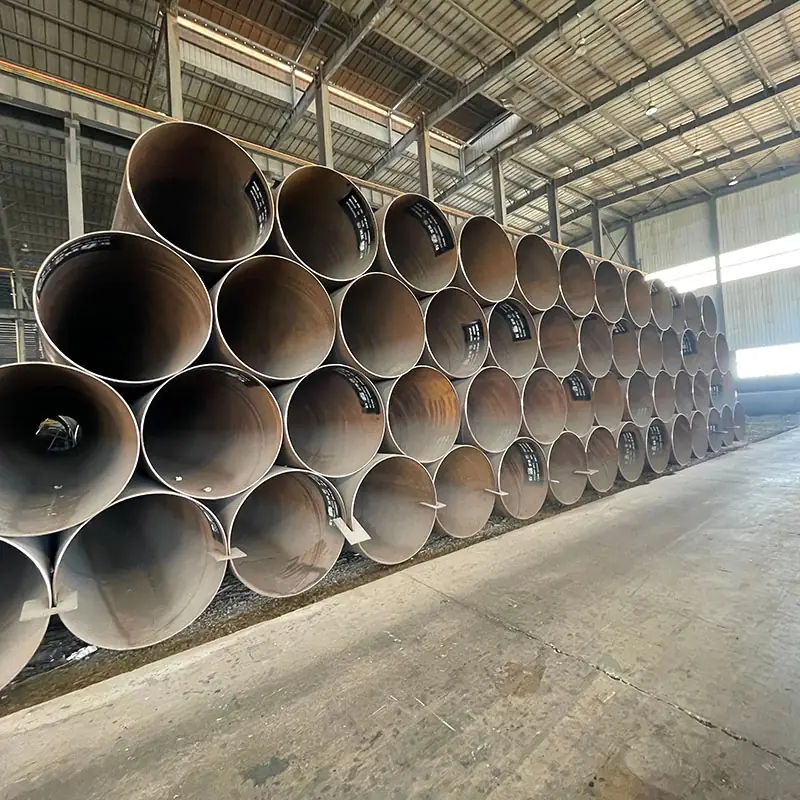
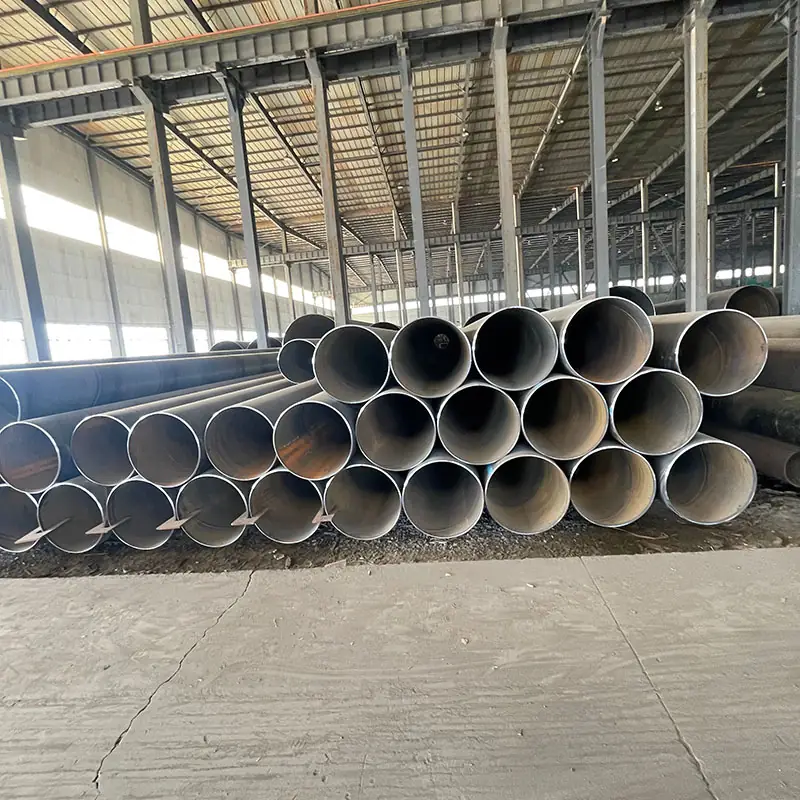
| Product Name | Welded Structural Steel Pipe Pile with Conical Point |
| Standard Specification | ASTM A500 / A500M Grade B (Cold-Formed Welded Carbon Steel Structural Tubing) |
| Tensile & Yield Strength | Minimum Yield Strength ≥ 290 MPa (42,000 psi); Tensile Strength ≥ 400 MPa (58,000 psi) |
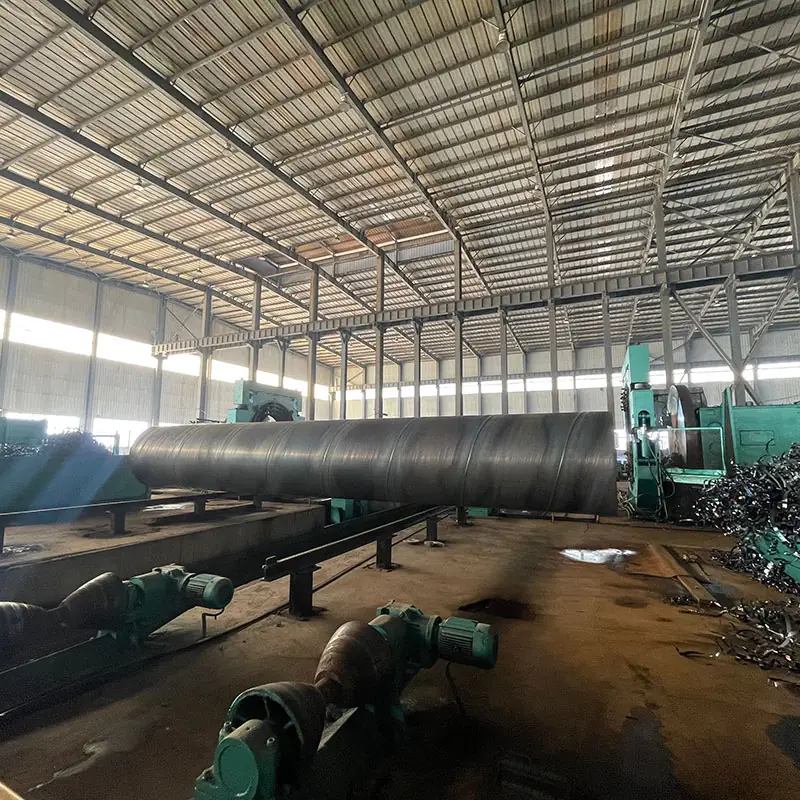
| Manufacturing Process | ERW (Electric Resistance Welded) base pipe + automated conical tip welding |
| Nominal Outer Diameter | 406.4 mm (Nominal 16 Inch) |
| Wall Thickness (WT) | Typical 9.53 mm (0.375 in) or 12.7 mm (0.500 in) or customized based on soil dynamics |
| End Configuration | Closed-end with premium heavy-duty welded Cast Steel Conical Driving Point |
| Pipe Seam Integrity | 100% longitudinal weld seam ultrasonic inspection (UT) |
| Standard Pipe Length | Standard 6.0m to 12.0m, or customized as per site driving equipment limits |
Product Applications
Rigorous Quality Control & Manufacturing Process
Frequently Asked Questions (FAQ)
A: A pre-welded conical point seals the bottom of the pile, converting it into a closed-end pile. While driving, the conical point acts as a wedge, cutting through dense clay, gravel, or cobble-mixed soils, preventing the pipe ends from collapsing or “toeing.” Furthermore, it keeps the inside of the pipe completely dry and free of dirt, allowing you to pour concrete directly inside after driving.
A: Under ASTM A500 Grade B, round welded structural tubing possesses a minimum yield strength of 290 MPa (42,000 psi) and a minimum tensile strength of 400 MPa (58,000 psi). This high strength-to-weight ratio makes it ideal for load-bearing foundation piles, as it resists severe axial compressive and bending forces without buckling.
A: Open-end piles allow soil to enter the pipe, creating a “soil plug” inside. They have less driving resistance and are ideal for extremely deep driving. Closed-end piles (with conical points) displace and compact the soil outward as they are driven. This outward displacement significantly densifies the surrounding soil, increasing the soil’s lateral skin friction against the steel wall and maximizing the pile’s overall load capacity.
A: Yes, absolutely. Once the closed-end pipe pile is driven to the designed depth (releasing the hammer), engineers typically drop a steel reinforcing cage inside the dry, empty tube and fill it with high-strength structural concrete. This creates a high-performance “steel-concrete composite pile” that delivers ultimate compression and shear resistance.
Related Steel Solutions
Bitumen Coated Piling Steel Pipe 813mm OD 12.7mm WT for Corrosive Soil Protection
Engineered to provide an exceptionally robust and cost-effective foundation barrier in the most aggressive subterranean…
EN 10219 S355J2H LSAW Steel Pipe Pile 36 Inch 25.4mm WT for Offshore Wind Farm
Engineered to withstand the relentless cyclic wave actions and immense structural loads of offshore renewable…
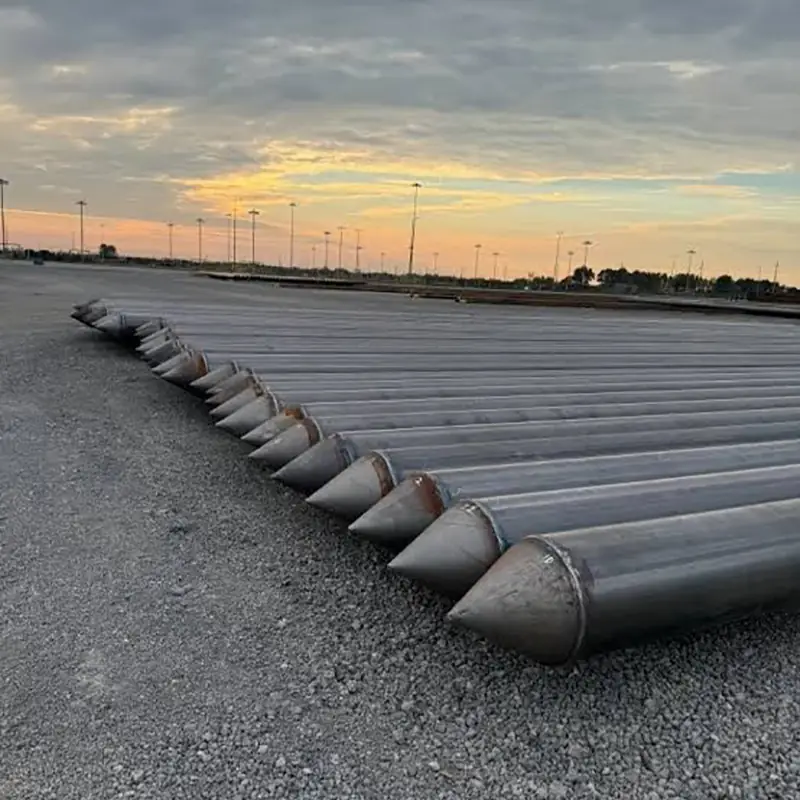
ASTM A500 Grade B Welded Piling Pipe 406mm OD with Conical Point for Soil Piling
Engineered to provide excellent ground consolidation and dependable end-bearing capacity, this ASTM A500 Grade B…
Heavy Wall Thickness SSAW Piling Pipe 1220mm OD for Marine Port Construction
Engineered to withstand the extreme dynamic loads and aggressive corrosive environments of maritime infrastructure, this…