
Features & Advantages
Technical Specifications
| Specification Item | Detailed Description |
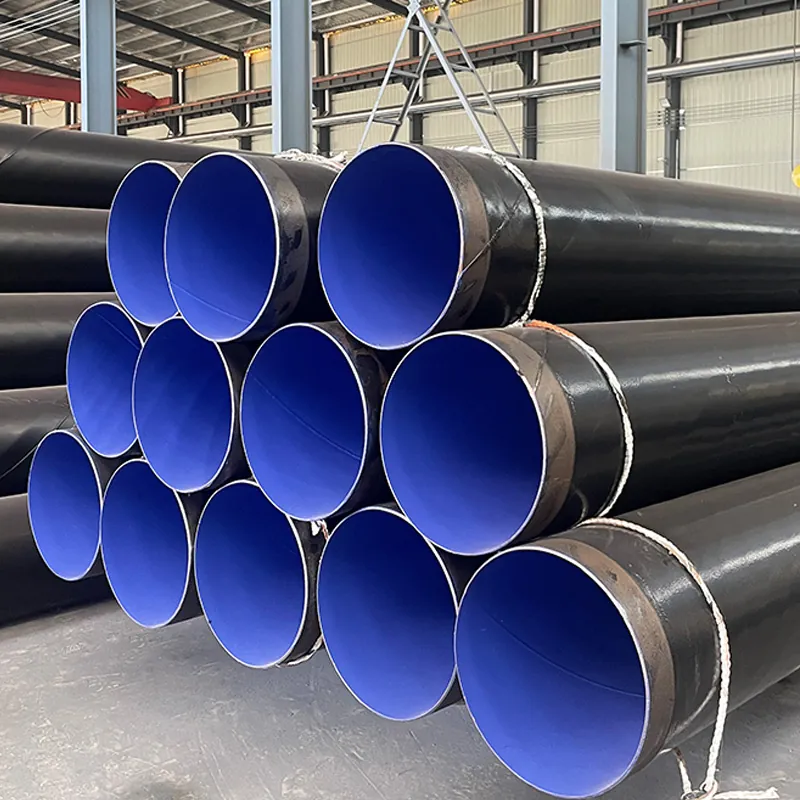
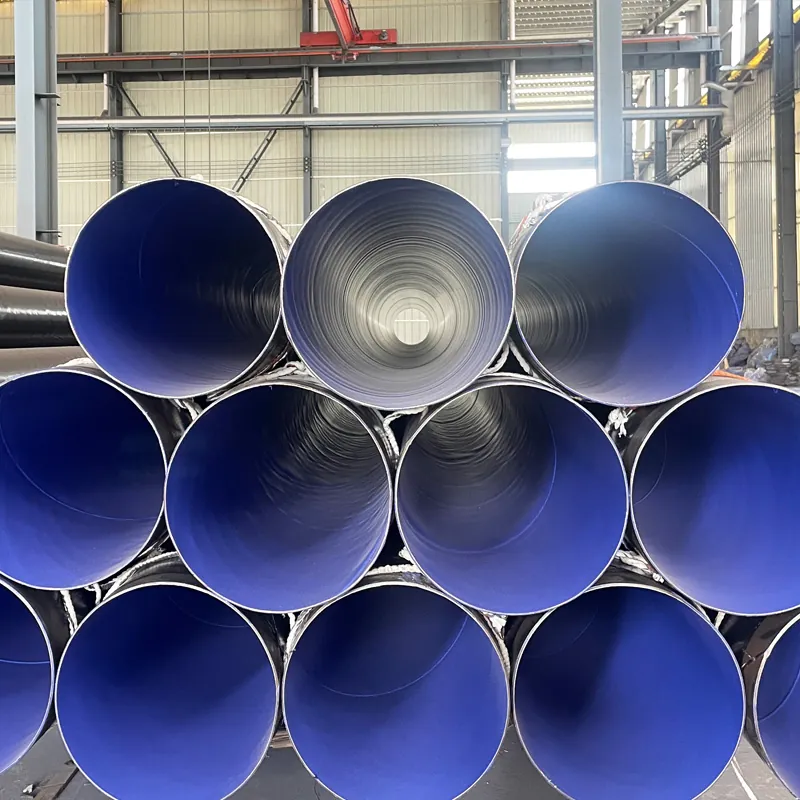
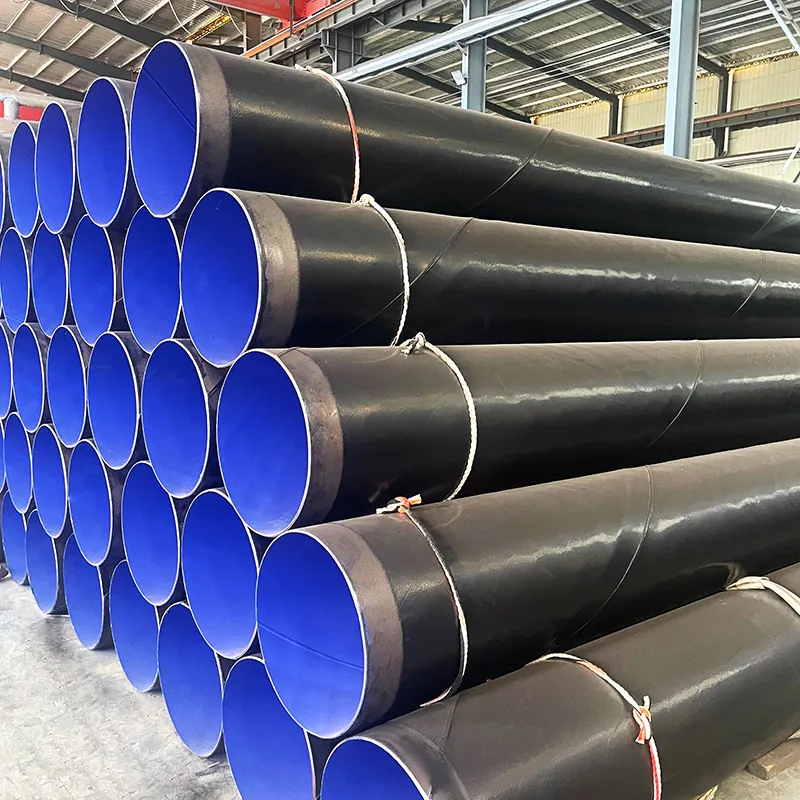
| Product Name | FBE Coated LSAW Steel Pipe |
| Base Pipe Standard | API 5L Grade X52, PSL2 (Product Specification Level 2) |
| Manufacturing Process | LSAW (Longitudinal Submerged Arc Welding - JCOE Process) |
| Nominal Pipe Size (NPS) | 24 Inch (DN600) |
| Outer Diameter (OD) | 24.00 inches (609.6 mm) |
| Wall Thickness (WT) | Schedule 40 (0.562 inches / 14.27 mm) |
| Anti-Corrosion Coating | Single-Layer Fusion Bonded Epoxy (FBE) |
| Coating Standards | ISO 21809-2, CSA Z245.20, NACE SP0394 / AWWA C213 |
| Typical Coating Thickness | 300 to 500 microns (12 to 20 mils) or customized |
| Pipe Ends | Beveled ends (30°~35°) with a factory bare steel cutback for field joint welding |
| Standard Length | 11.8m, 12.0m, or customized |
Product Applications
Rigorous Quality Control & Manufacturing Process
Frequently Asked Questions (FAQ)
A: Fusion Bonded Epoxy (FBE) is applied as a dry powder onto preheated steel (200°C+), allowing it to chemically cross-link with the metal substrate. This creates a highly durable, seamless, and tough barrier with superior chemical adhesion. FBE excels in resisting cathodic disbondment (peeling due to cathodic protection currents), which is vital for the long-term safety of buried gas pipelines.
A: PSL2 (Product Specification Level 2) is a high-performance specification with much stricter limits on chemical composition and mechanical properties compared to PSL1. Most importantly, it mandates Charpy V-notch impact testing to ensure the steel maintains high fracture toughness (resisting brittle cracks) under high gas pressures, which is a mandatory safety standard for modern gas pipelines.
A: The pipes are delivered with a standard factory bare steel cutback (usually 50mm–100mm) at the ends. After field butt-welding and weld inspection, the joint is cleaned. Pipeline crews then apply field-joint coatings—either liquid FBE or specialized heat-shrinkable sleeves (HSS) with an FBE primer—to restore continuous, seamless corrosion protection.
A: LSAW (Longitudinal Submerged Arc Welding) utilizes a single straight weld seam and undergoes mechanical cold expansion. This ensures exceptional dimensional roundness, uniform wall thickness (essential at 14.27mm Sch 40), and low residual stress, allowing the pipe to handle high internal gas pressures and resist geological shifting stresses.
Related Steel Solutions
Bitumen Coated Piling Steel Pipe 813mm OD 12.7mm WT for Corrosive Soil Protection
Engineered to provide an exceptionally robust and cost-effective foundation barrier in the most aggressive subterranean…
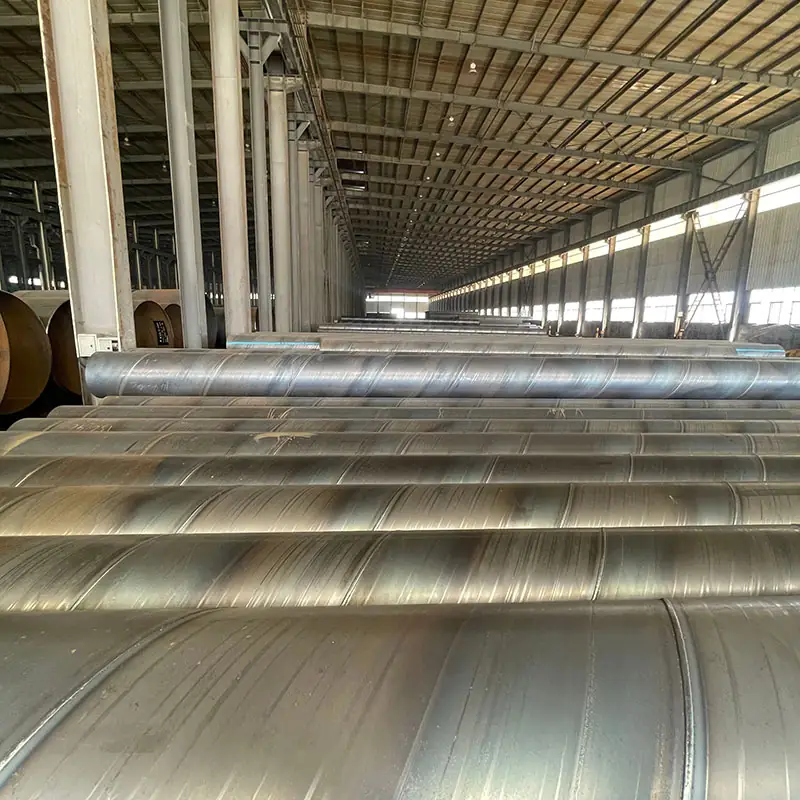
EN 10219 S355J2H LSAW Steel Pipe Pile 36 Inch 25.4mm WT for Offshore Wind Farm
Engineered to withstand the relentless cyclic wave actions and immense structural loads of offshore renewable…
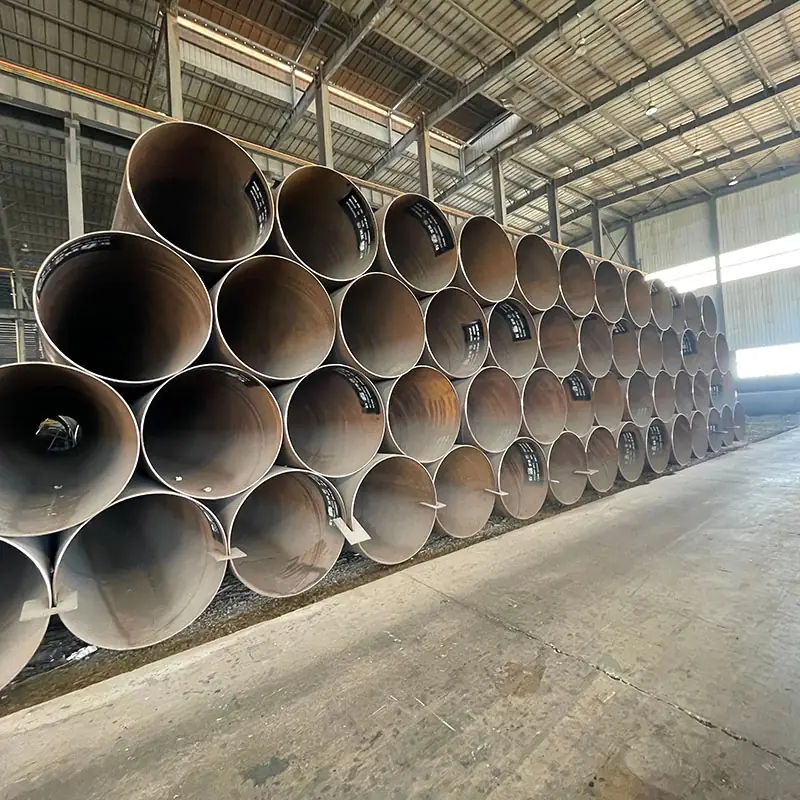
ASTM A500 Grade B Welded Piling Pipe 406mm OD with Conical Point for Soil Piling
Engineered to provide excellent ground consolidation and dependable end-bearing capacity, this ASTM A500 Grade B…
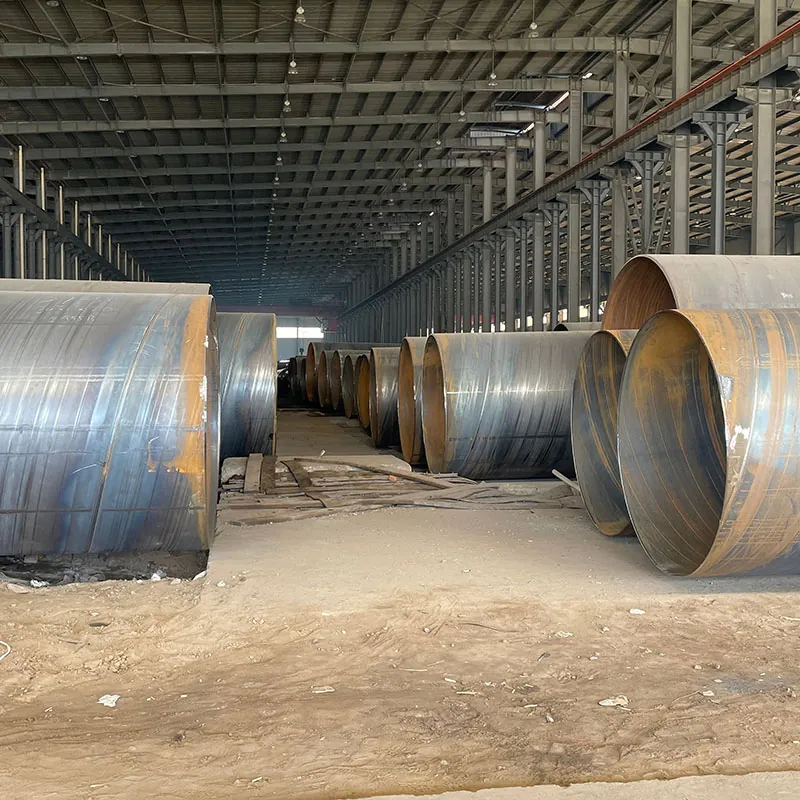
Heavy Wall Thickness SSAW Piling Pipe 1220mm OD for Marine Port Construction
Engineered to withstand the extreme dynamic loads and aggressive corrosive environments of maritime infrastructure, this…