
Introduction
Steel pipes are the unsung heroes of modern infrastructure, quietly yet significantly playing a crucial role in a multitude of systems that keep our world functioning smoothly. From the intricate network of water supply systems that deliver clean water to our homes, to the vast and complex oil and gas pipelines that transport vital energy resources across continents, steel pipes are omnipresent. This article delves deep into the fascinating world of steel pipes, exploring their diverse types, wide-ranging applications, cutting-edge innovations, and the exciting future trends that are shaping their trajectory.
1.Types of Steel Pipes
Steel pipes come in a rich variety of types, each meticulously designed to cater to specific applications and environmental conditions. Understanding these different types is essential for selecting the right pipe for a particular purpose.
1.1 Seamless Steel Pipes
Seamless pipes stand out for their superior strength and durability. They are manufactured through a process that involves heating a solid billet and then piercing it to create a hollow tube. This seamless construction eliminates the need for welds, which can be potential weak points. As a result, seamless pipes are ideal for high-pressure environments where any weakness could lead to catastrophic failures. For example, in the oil and gas industry, seamless pipes are commonly used in deep-well drilling and high-pressure pipelines, where the integrity of the pipe is of utmost importance.
1.2 Welded Steel Pipes
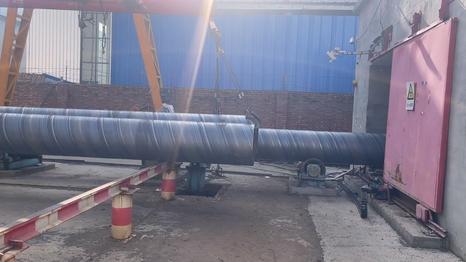
Welded pipes, in contrast, are more cost-effective and are suitable for low-pressure applications. They are created by taking steel sheets or strips and rolling them into a cylindrical shape, which is then welded along the seam. There are different welding techniques used, such as submerged arc welding (SAW) and electric resistance welding (ERW). Welded pipes are widely used in construction projects, including water supply and sewage systems, where the pressure requirements are relatively low, and cost-efficiency is a key consideration.
1.3 Specialized Steel Pipes
In addition to seamless and welded pipes, there are several specialized types of steel pipes that have unique properties and applications. One such type is ERW (Electric Resistance Welded) pipes. These pipes are known for their precision dimensions and high strength, making them ideal for automotive and scaffolding applications. In the automotive industry, ERW pipes are used in exhaust systems, where they must withstand high temperatures and corrosive gases while maintaining precise dimensions to ensure proper fit and function. For an automotive exhaust system that combines high-temperature resistance with precision dimensions, explore our Automotive Exhaust ERW Steel Pipe – High-Temperature & Precision Dimensions.
Another specialized type is the alloy steel pipe, which is made by adding various alloying elements to the steel to enhance its properties. For example, adding chromium and nickel can improve the pipe's corrosion resistance, making it suitable for use in chemical processing plants and marine environments. Molybdenum can be added to increase the pipe's strength at high temperatures, making it ideal for power generation applications.
2.Applications Across Industries
The versatility of steel pipes is truly remarkable, as they find applications in a wide range of industries, each with its own unique requirements and challenges.
2.1 Construction Industry
In the construction industry, steel pipes are indispensable. They are used for water supply systems, ensuring that clean water reaches every corner of a building. Sewage systems rely on steel pipes to safely transport waste away from residential and commercial areas. Additionally, steel pipes are used for structural support in buildings and bridges, providing the necessary strength and stability to withstand various loads and environmental forces. For example, in high-rise buildings, steel pipes are used as columns and beams, forming the skeletal structure that supports the entire edifice.
2.2 Automotive Industry
The automotive industry is another major consumer of steel pipes. As mentioned earlier, steel pipes are essential components of exhaust systems, where they play a crucial role in reducing emissions and directing exhaust gases away from the engine. The exhaust system must be able to withstand high temperatures and corrosive gases, and steel pipes are well-suited for this task. Moreover, steel pipes are also used in fuel lines, brake lines, and other critical systems within a vehicle, ensuring the safe and efficient operation of the automobile.
2.3 Energy Industry
The energy industry is heavily reliant on steel pipes for the transportation of oil, gas, and other energy resources. Oil and gas pipelines span vast distances, connecting production sites to refineries and distribution centers. These pipelines must be able to withstand high pressures and harsh environmental conditions, such as extreme temperatures and corrosive soils. Steel pipes, with their superior strength and durability, are the ideal choice for these applications. Additionally, in the renewable energy sector, steel pipes are used in wind and solar farms for various purposes, including water supply and drainage systems, as well as structural support for wind turbines and solar panels.
3.Innovations in Steel Pipe Manufacturing
Recent advancements in manufacturing technologies have led to the development of steel pipes with enhanced properties and capabilities, opening up new possibilities for their use.
3.1 Corrosion-Resistant Coatings
One significant innovation is the development of corrosion-resistant coatings. For instance, 3PE (Three-Layer Polyethylene) coating offers superior protection against corrosion, making pipes suitable for use in harsh environments, such as offshore oil and gas platforms and chemical processing plants. The 3PE coating consists of an epoxy layer, an adhesive layer, and a polyethylene layer, which work together to provide a durable and long-lasting barrier against corrosion. This not only extends the lifespan of the pipes but also reduces maintenance costs and the risk of leaks and failures.
3.2 Smart Pipes
The development of smart pipes is perhaps the most revolutionary innovation in the steel pipe industry. Smart pipes are equipped with sensors that can monitor various parameters, such as flow, pressure, and temperature, in real-time. This data can be transmitted to a central control system, enabling operators to detect potential problems early and take proactive measures to prevent failures. For example, if a smart pipe detects a sudden increase in pressure, it could indicate a blockage or a leak, and the control system can immediately alert maintenance personnel to investigate and resolve the issue. Smart pipes have the potential to revolutionize the way pipes are managed and maintained, leading to increased efficiency, reduced downtime, and lower operational costs.
4.Sustainability and Recycling
Sustainability is becoming an increasingly important consideration in the steel pipe industry. Manufacturers are adopting eco-friendly practices to reduce their environmental impact and meet the growing demand for sustainable products.
4.1 Recycling Scrap Metal
One of the key sustainability initiatives in the steel pipe industry is the recycling of scrap metal. Steel is one of the most recyclable materials in the world, and recycling scrap steel can significantly reduce the demand for virgin materials, conserve natural resources, and reduce energy consumption. Many steel pipe manufacturers now use a significant proportion of recycled steel in their production processes, helping to create a more circular economy.
4.2 Energy-Efficient Production
In addition to recycling, manufacturers are also focusing on reducing energy consumption during the production of steel pipes. This can be achieved through the use of more energy-efficient equipment and processes, as well as the implementation of energy management systems to monitor and optimize energy use. By reducing energy consumption, manufacturers can not only lower their operating costs but also reduce their carbon footprint and contribute to a more sustainable future.
4.3 Long-Lasting Pipes
The development of long-lasting pipes is another important aspect of sustainability in the steel pipe industry. Pipes that are durable and have a long service life reduce the need for frequent replacements, which in turn reduces waste and the demand for new materials. By investing in high-quality pipes that can withstand the test of time, manufacturers and users can contribute to a more sustainable infrastructure.
5.Future Trends
The future of steel pipes is filled with exciting possibilities, as ongoing research and development efforts focus on improving their properties and capabilities even further.
5.1 High Strength-to-Weight Ratio
One of the key areas of research is the development of steel pipes with even higher strength-to-weight ratios. This would allow pipes to be lighter while still maintaining their strength and durability, making them more suitable for applications where weight is a critical factor, such as in aerospace and automotive industries. Lighter pipes would also reduce transportation costs and energy consumption during installation and operation.
5.2 Improved Corrosion Resistance
Another important trend is the continuous improvement of corrosion resistance in steel pipes. As infrastructure projects become more complex and are exposed to increasingly harsh environments, the need for pipes that can withstand corrosion for extended periods becomes more critical. Researchers are exploring new materials and coating technologies to develop pipes that can resist corrosion even in the most challenging conditions, such as in highly acidic or saline environments.
5.3 Integration of Smart Technologies
The integration of smart technologies into steel pipes is expected to continue and expand in the future. As the Internet of Things (IoT) and artificial intelligence (AI) technologies advance, smart pipes will become even more sophisticated, enabling them to communicate with each other and with central control systems in real-time. This will enhance the efficiency and safety of various applications, such as water supply systems, oil and gas pipelines, and industrial processes. For example, smart pipes could be used to optimize the flow of fluids, detect leaks and failures early, and automatically adjust parameters to maintain optimal operating conditions.
Conclusion
Steel pipes are undeniably the backbone of modern infrastructure, offering a versatile and reliable solution for transporting fluids and gases across a wide range of industries. From their diverse types that cater to specific applications to their wide-ranging uses in construction, automotive, and energy sectors, steel pipes play a vital role in keeping our world running smoothly. By embracing innovations in manufacturing, such as corrosion-resistant coatings and smart technologies, and adopting sustainable practices like recycling and energy-efficient production, steel pipes continue to evolve and meet the growing demands of a changing world. Whether you're looking for a standard 1-inch steel pipe or a specialized solution like our scaffolding ERW steel pipe, understanding the nuances of steel pipes will guide you towards the best choice for your specific needs.
[Back to Comprehensive Guide to Metal Pipes: Types, Selection, and Innovations]